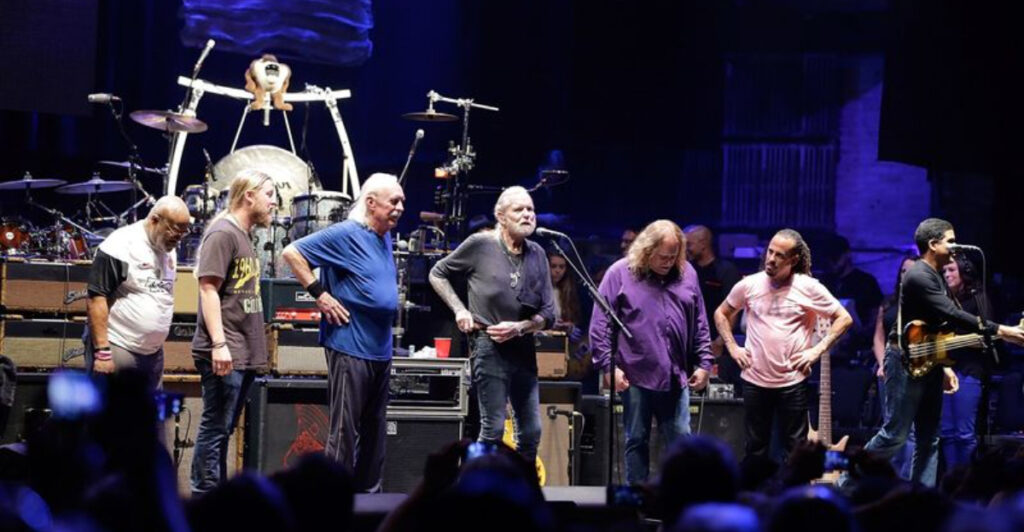
The Allman Brothers Band has left an indelible mark on the landscape of rock music. Known for their groundbreaking fusion of genres, they have not only defined Southern rock but have also set benchmarks for live performances, guitar mastery, and cultural integration. Their influence extends beyond music, impacting cultural movements and musical traditions. This blog explores ten pivotal moments when the Allman Brothers reshaped rock history with their unparalleled creativity and resilience.
1. Redefining Southern Rock

In 1969, the Allman Brothers Band emerged, shattering genre boundaries with a unique blend of blues, jazz, country, and rock. Before Southern rock became a genre, they laid its foundation. Their debut album didn’t just introduce a new sound; it reimagined the South’s musical identity.
They took elements from various American musical traditions and wove them together into a seamless tapestry. Through their music, they didn’t just represent the South—they reimagined its cultural voice, challenging established norms and setting the stage for future Southern rock bands.
Their influence is still felt today, inspiring countless musicians.
2. Live at Fillmore East
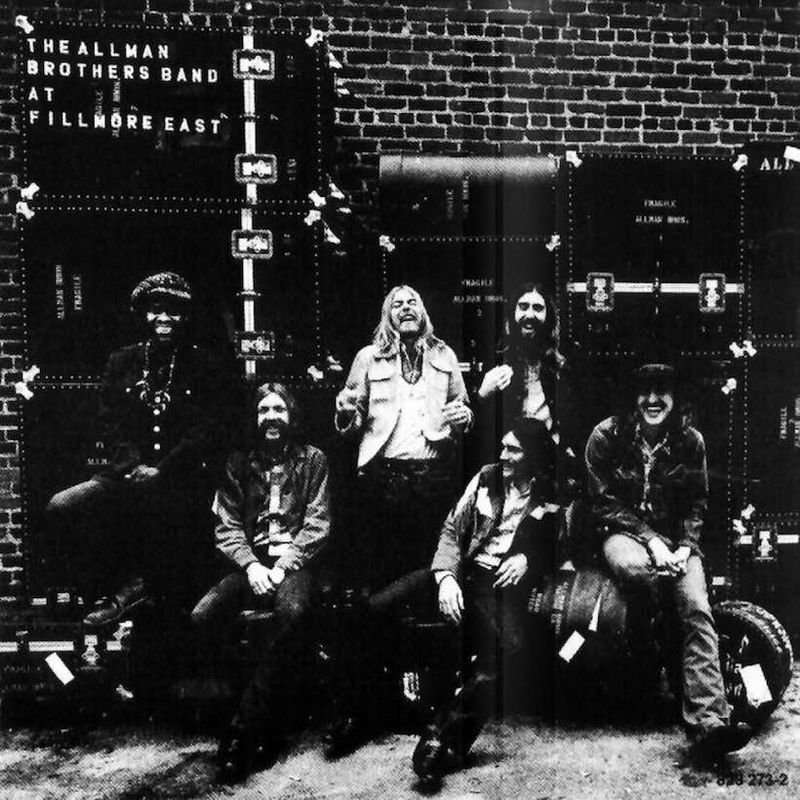
In 1971, the Allman Brothers’ double album “At Fillmore East” became one of rock’s greatest live records. Clocking in at over 80 minutes, it showcased extended improvisation, proving that long-form jamming could be both commercially and artistically viable.
The album’s success paved the way for jam bands like Phish and Widespread Panic. Through soulful, extended performances, they made a case for the artistic merit of improvisation in rock music.
They didn’t just play music; they created an experience, setting a blueprint for future live performances and inspiring generations of musicians and fans alike.
3. Duane Allman’s Slide Guitar
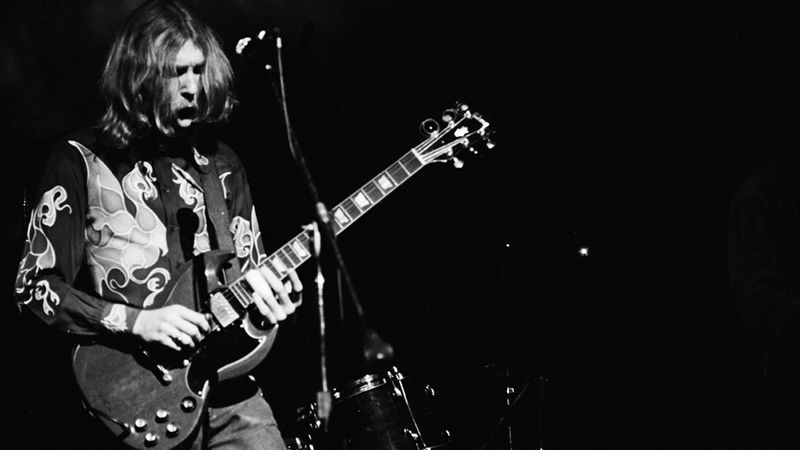
Duane Allman’s slide guitar work was a revelation. His emotional, blues-drenched licks weren’t just impressive—they were groundbreaking. His contributions to the Allman Brothers and recordings like “Layla” with Derek and the Dominos reshaped how slide guitar is approached in rock.
Allman’s slide guitar style set a new gold standard, influencing countless guitarists. His ability to convey emotion through his instrument was unmatched, creating a new language in rock guitar playing.
Even today, his work is revered as an epitome of slide guitar excellence, a testament to his genius and creativity.
4. Integrating Musical Traditions

During a time of cultural division, the Allman Brothers Band blended white Southern rock with African American blues and R&B traditions. This musical integration was revolutionary and culturally significant.
By merging these traditions, they transcended musical boundaries and created a new, inclusive sound. It wasn’t just about the music; it was about building cultural bridges.
Their approach showcased the power of music to unite different communities and backgrounds. They not only entertained audiences but also played a role in breaking down racial barriers through their innovative sound.
5. Surviving Duane Allman’s Loss
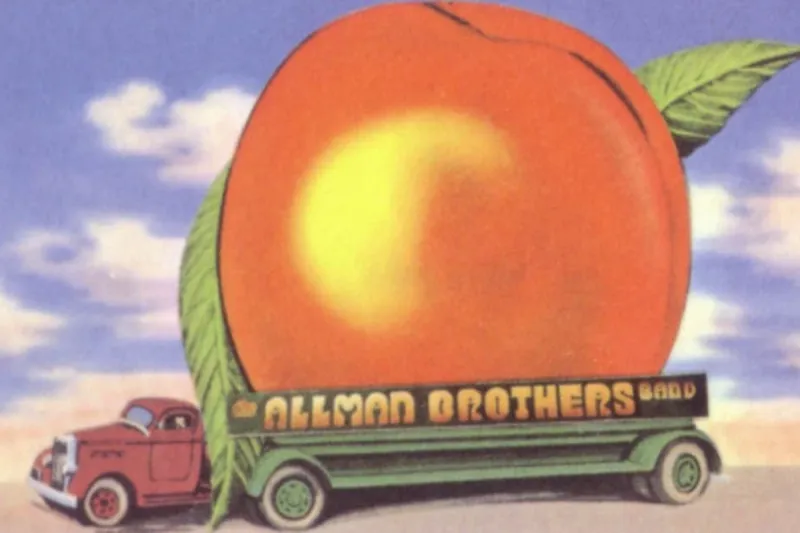
After the tragic death of Duane Allman in 1971, the band faced an uncertain future. Instead of crumbling, they released “Eat a Peach,” a commercial and critical triumph.
The album was part tribute to Duane and part testament to the band’s resilience. It reflected their determination to honor his legacy while forging their own path.
Their ability to thrive in the face of adversity showcased their strength and dedication. This moment was a testament to the band’s heart and their commitment to their music and fans.
6. Whipping Post and Odd Time Signatures

The Allman Brothers’ track “Whipping Post” introduced rock audiences to the complex 11/8 time signature. This thundering, haunting track demonstrated that experimentation could coexist with emotional depth.
The success of “Whipping Post” paved the way for prog and art rock bands to explore innovative time signatures. It showed that rock music could be both intellectually stimulating and emotionally resonant.
By challenging musical conventions, the Allman Brothers expanded the boundaries of rock music, inspiring artists to push the limits of their creativity.
7. Inspiring Festival Jam Culture
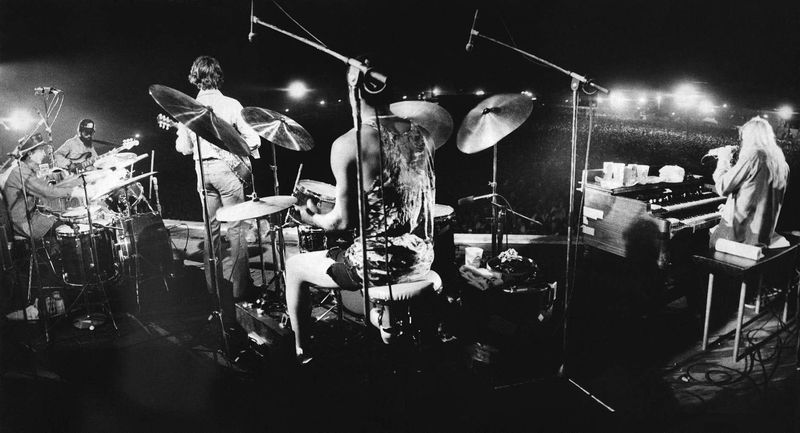
The Allman Brothers Band’s extended sets and collaborative style inspired the modern jam-festival movement. Without them, festivals like Bonnaroo and Peach Fest might not exist as they do today.
Their inclusive approach to music-making encouraged other artists to experiment with live performances. They created an environment where musicians could come together to share their music and explore new possibilities.
By fostering a community of creativity and collaboration, they helped shape the culture of music festivals, leaving a lasting impact on the music scene.
8. Gregg Allman’s Southern Blues Voice
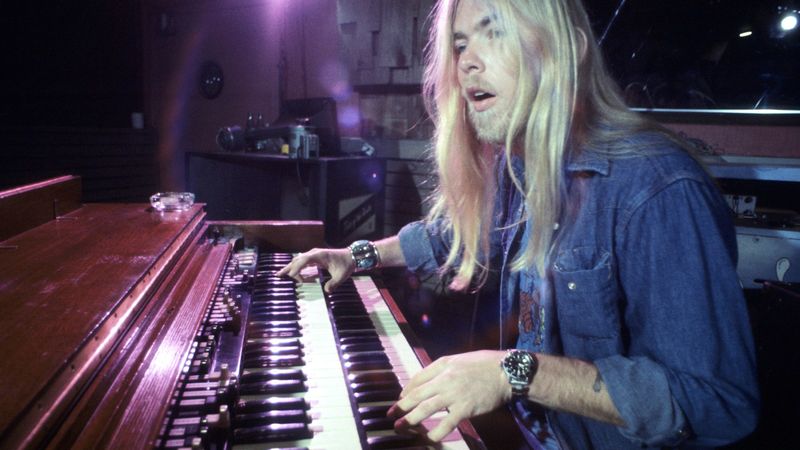
Gregg Allman’s smoky, aching vocals redefined what a Southern rock frontman could sound like. His voice was raw, bruised, and honest, adding emotional depth to every track.
Beyond his vocals, his soulful organ playing added another layer to the band’s sound. His musical contributions helped define the band’s identity.
Gregg’s voice became the emotional engine of the Allman Brothers Band, connecting with audiences on a profound level. His contributions to Southern rock remain influential, inspiring future generations of musicians.
9. Pioneering Dual-Drummer Setup
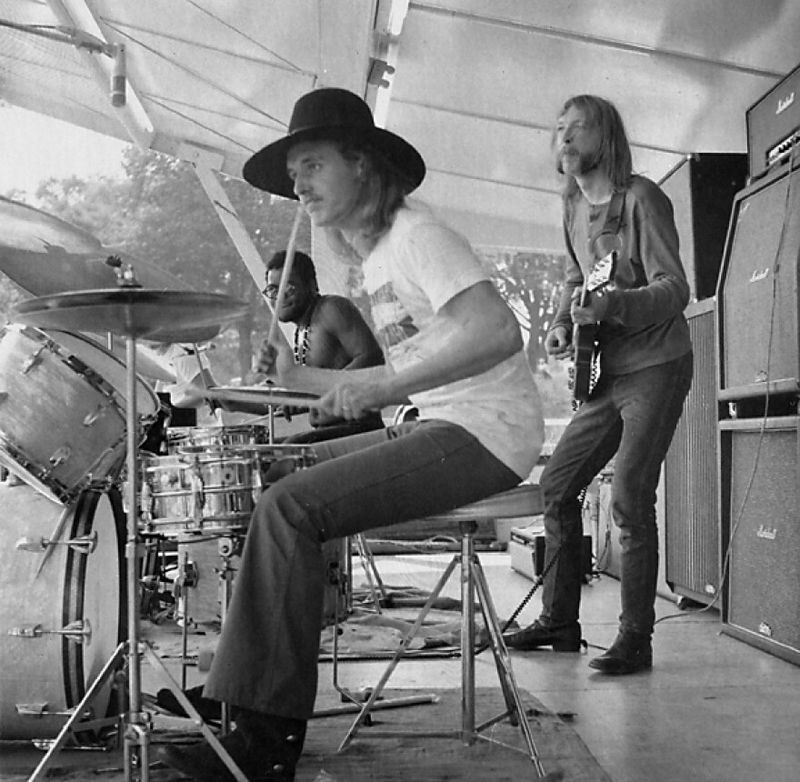
The Allman Brothers Band pioneered the use of dual drummers, featuring Butch Trucks and Jai Johanny “Jaimoe” Johanson. This setup created a layered, polyrhythmic experience without overwhelming the mix.
The dual-drumming approach added muscle and motion to their sound, enhancing the band’s dynamic range. It was a novel concept that became a defining feature of their musical identity.
Their innovative use of percussion influenced many bands and proved that experimentation could lead to new and exciting musical possibilities.
10. Farewell at Beacon Theatre
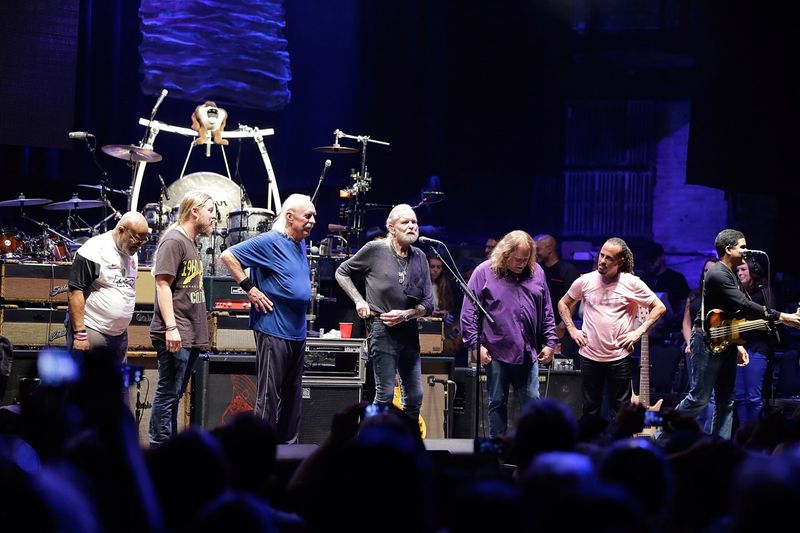
In 2014, the Allman Brothers ended their touring career with a marathon farewell set at the Beacon Theatre in New York. Spanning six hours, it was a grand celebration of their entire catalog.
This emotional farewell wasn’t just a concert; it was a coronation of their legendary status. Fans and musicians alike gathered to pay tribute to the band’s incredible legacy.
Their farewell performance cemented their place in rock history, celebrating decades of musical evolution, triumph, and enduring influence.