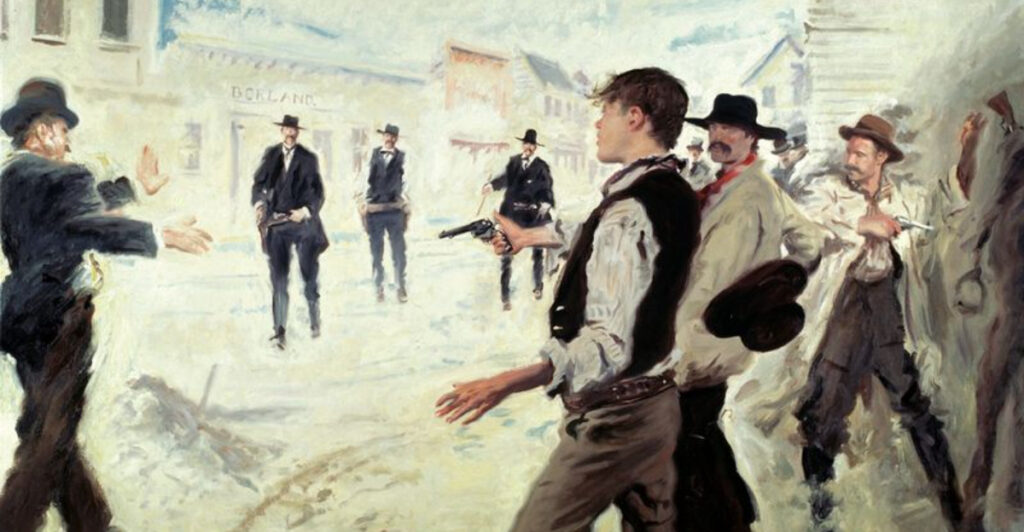
In the untamed expanse of the Wild West, lawlessness often reigned supreme. With sheriffs few and far between, cowboys relied on a set of unwritten rules to ensure survival. These frontier laws, passed down through generations, were more than guidelines—they were the difference between life and death. From the saloons to the open trails, these 17 rules were the backbone of cowboy culture, shaping a rough-hewn society where honor, respect, and quick reflexes were paramount. Explore the principles that governed the lives of those who dared to tame the frontier.
1. Shoot First, Ask Later
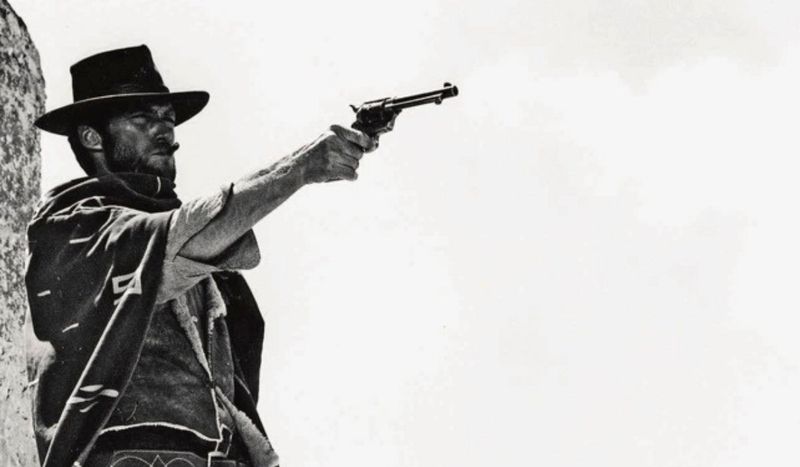
In the Wild West, hesitation could cost a cowboy his life. The unwritten rule of “Shoot First, Ask Later” was about survival. When faced with potential danger, quick action was deemed necessary. A stranger reaching for a weapon posed a real threat, and firing first was often a life-or-death decision. This principle wasn’t about recklessness; it was about gauging threats. Cowboys knew that in a land without law, instincts could save them. The ability to read a situation quickly became a honed skill, essential for navigating the perilous frontier.
2. Never Touch Another Man’s Horse, Gun, or Hat

For cowboys, personal possessions like horses, guns, and hats were sacred. These weren’t just items; they were lifelines on the frontier. A horse provided mobility, a gun ensured protection, and a hat offered shelter from the relentless sun. Touching another man’s belongings was a serious breach of trust. It signaled disrespect and could provoke violence. In a harsh, unforgiving environment, mutual respect was pivotal. This rule underscored the community’s need for boundaries, ensuring that each cowboy’s essential tools remained with their rightful owner.
3. Don’t Start a Fight in a Saloon—Finish It
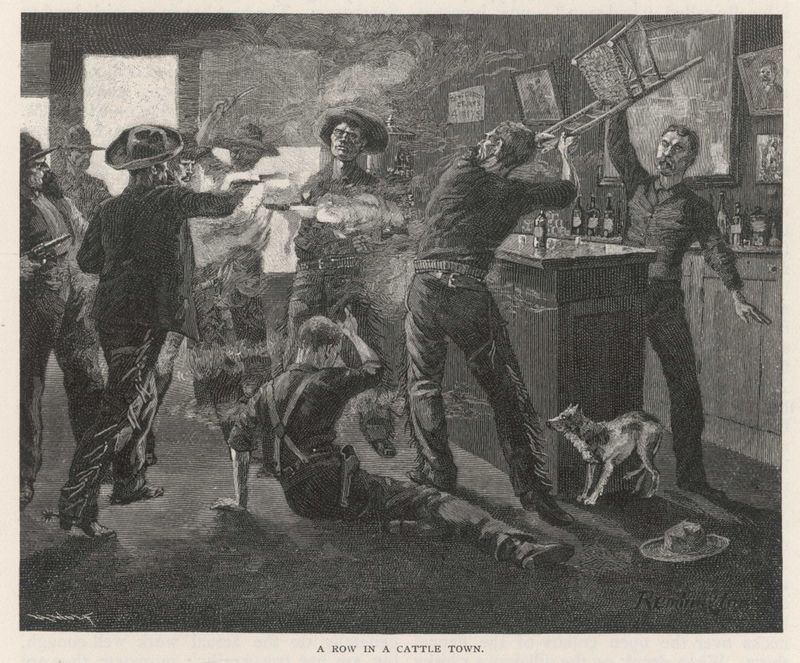
Saloons were more than watering holes; they were social hubs where tensions often flared. The rule “Don’t Start a Fight in a Saloon—Finish It” highlighted the importance of resolve. A cowboy who initiated a brawl had to be prepared to see it through. Saloons were notorious for their volatile atmosphere, where disputes quickly escalated. Ending a fight swiftly was crucial to maintaining order. This principle wasn’t just about strength, but about knowing when to stand firm or walk away, preserving one’s reputation in the tight-knit Western community.
4. Always Share Food on the Trail
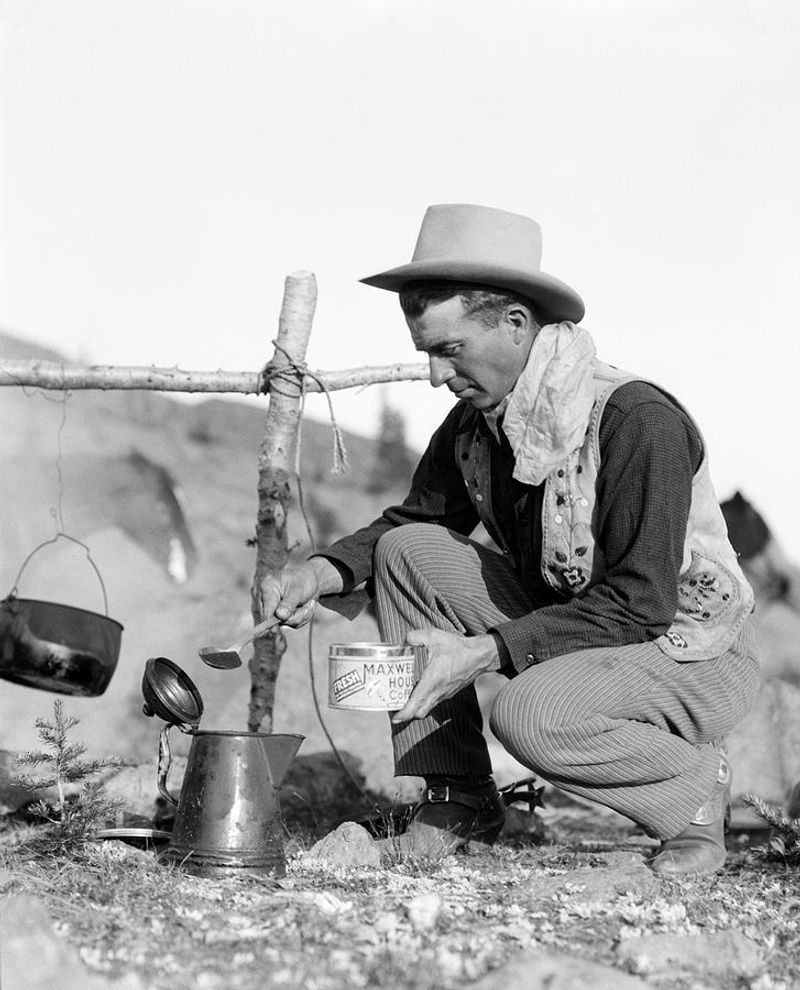
On the rugged trails of the Wild West, resources were scarce, and starvation a looming threat. The rule of sharing food stemmed from necessity and camaraderie. A hungry traveler was never turned away; offering a meal was an unwritten obligation. This practice fostered solidarity among cowboys, creating a network of mutual support. Breaking bread together wasn’t merely an act of kindness, but a crucial survival strategy. This rule reinforced the spirit of community, ensuring that no cowboy faced the wilderness alone, hungry, or without hope.
5. Never Wake a Man by Shaking Him
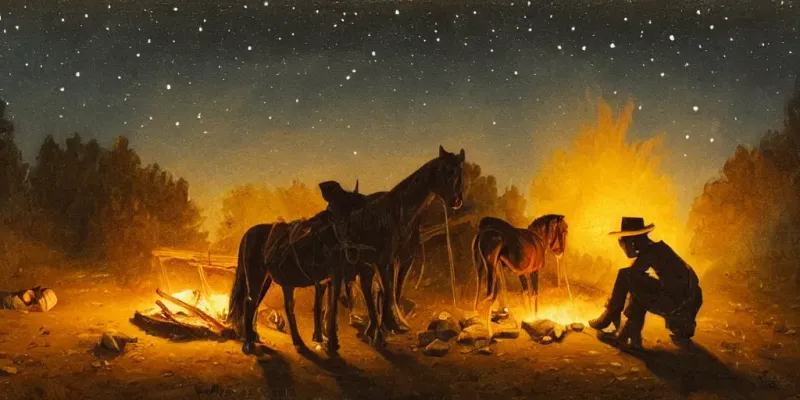
In the unpredictable world of the frontier, startling a sleeping cowboy could have dire consequences. The rule to never wake a man by shaking him was born from practicality and safety. Cowboys often slept with their guns close, and a sudden jolt could lead to accidental violence. Instead, waking a comrade with a shout from a safe distance was advisable. This practice underscored the constant tension of frontier life, where even rest required vigilance. It demonstrated respect for personal space and a keen understanding of survival in perilous times.
6. If You Kill a Man, Bury Him Deep
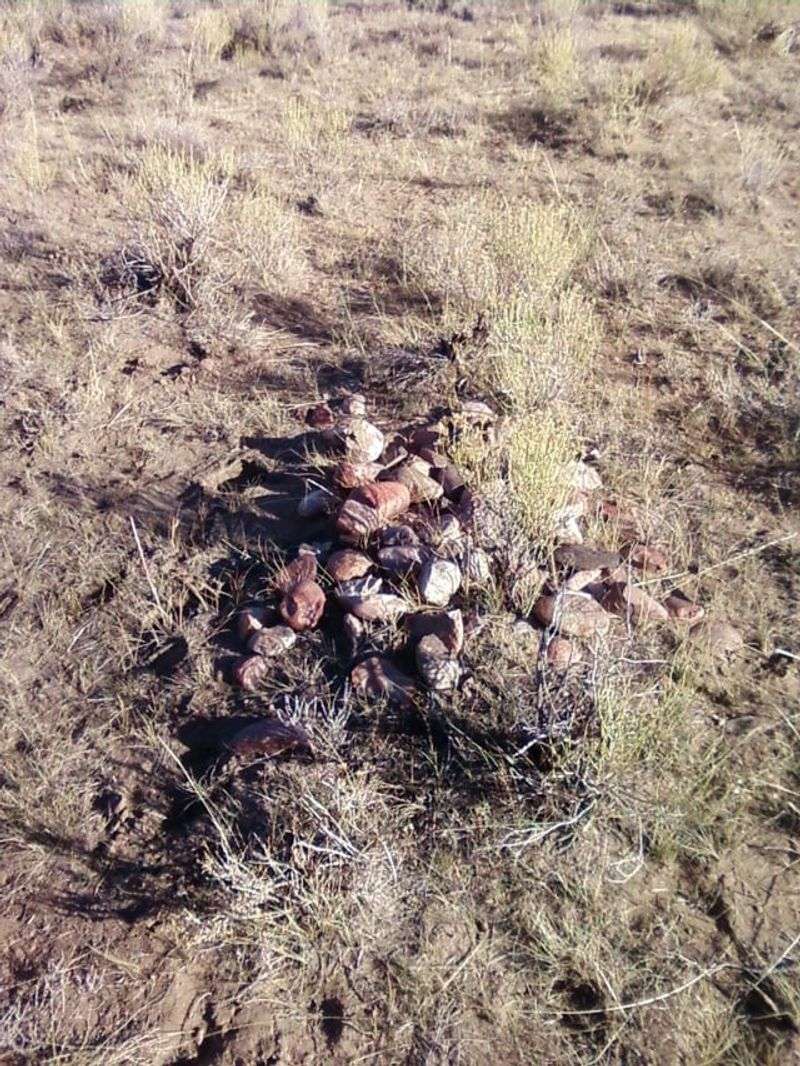
Taking a life was never a trivial matter on the frontier. The rule to bury a man deep was a practical one, aimed at preventing scavengers or revenge-seekers from disturbing the dead. A shallow grave risked exposing the body, inviting predators or, worse, the slain man’s kin. This rule enforced a sense of responsibility among those who had to resort to lethal force. It was about maintaining dignity in death and protecting the living from further harm. It highlighted the somber consequences of violence in a lawless land.
7. No Shooting Unarmed Men
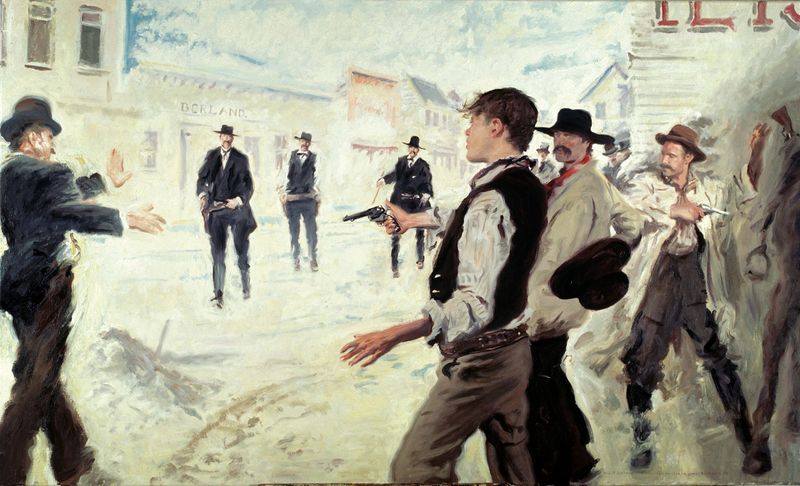
The rule against shooting unarmed men was a code of honor even outlaws adhered to. It maintained a moral line in a world teetering on chaos. For cowboys, engaging only when equally matched demonstrated fairness and courage. This principle aimed to prevent unnecessary bloodshed and maintain a level of respect among adversaries. It reinforced the idea that even those living outside the law had standards. Such unwritten codes provided a semblance of order, offering a brief respite from the otherwise relentless turbulence of frontier life.
8. Don’t Steal from a Man’s Saddlebag
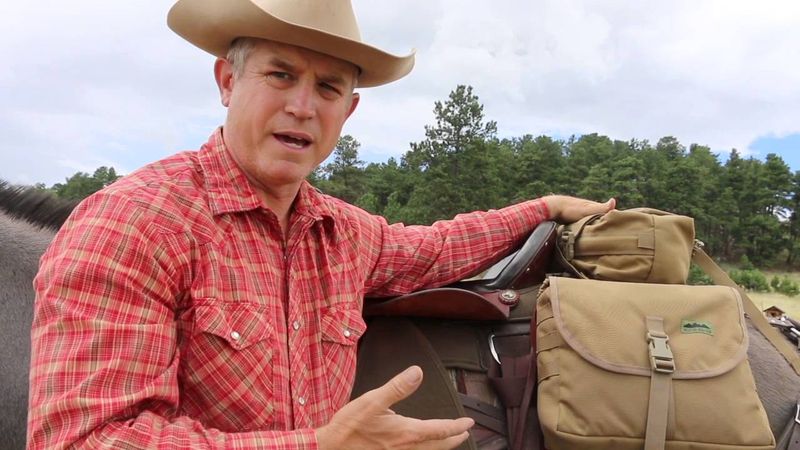
A cowboy’s saddlebag was a treasure trove of essential items: money, ammunition, personal letters. Stealing from it was considered a grave betrayal. This rule emphasized trustworthiness within the cowboy community. To tamper with a man’s saddlebag was more than theft; it was a violation of privacy and friendship. It risked isolating the thief, who would find few allies in an unforgiving land. Upholding this rule ensured mutual respect and security among cowboys, reinforcing the bonds that were crucial for survival in an often hostile environment.
9. If You’re Invited to a Campfire, Bring Firewood or Whiskey
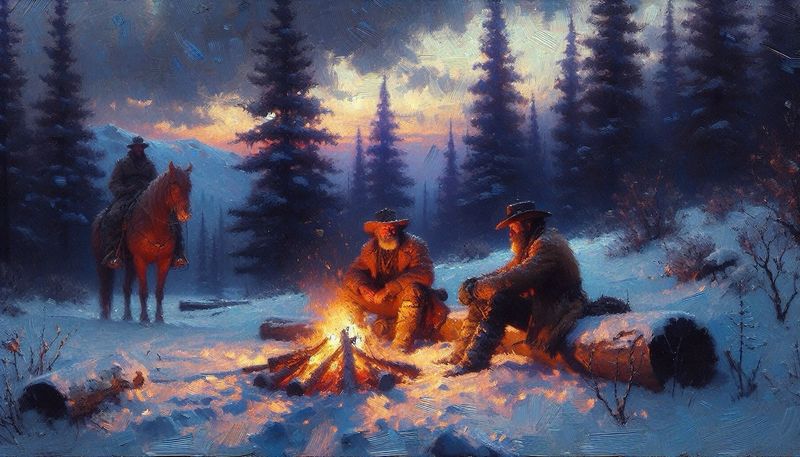
Hospitality on the frontier came with expectations. The unwritten rule to bring firewood or whiskey when joining a campfire was about contributing to the communal experience. Cowboys understood that resources were limited, and everyone had to pull their weight. Whether offering extra warmth or a drink to lighten spirits, these gestures were forms of respect and gratitude. They ensured that no individual took advantage of another’s generosity. Such practices fostered a sense of community, vital for survival in the vast, often lonely wilderness.
10. Never Ride Another Man’s Horse Without Permission
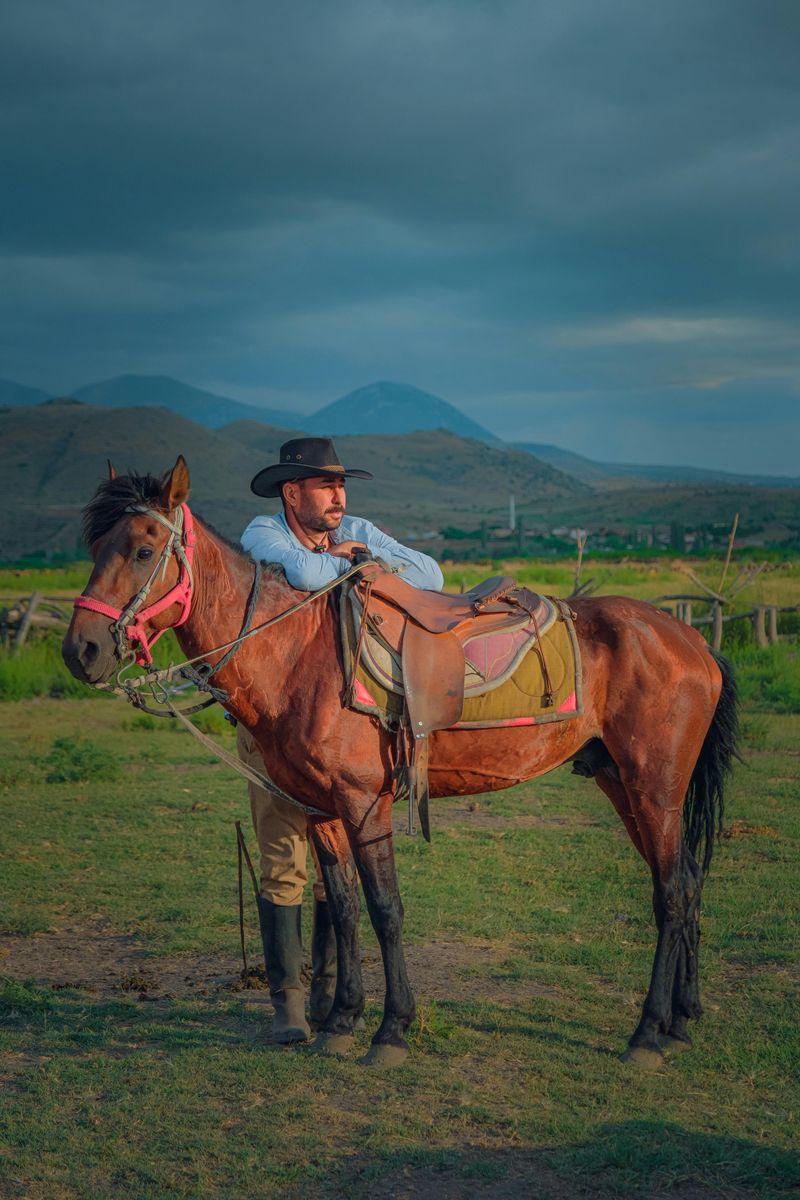
In cowboy culture, a horse was a prized possession, integral to daily life. Riding another man’s horse without permission was seen as a severe transgression. This rule underscored the respect for personal property and boundaries. Horses represented freedom, livelihood, and companionship, and taking one without consent threatened these bonds. Cowboys relied on their horses for travel, work, and escape, making them invaluable. Adhering to this rule ensured harmony and trust within the community, vital for maintaining relationships in the challenging frontier landscape.
11. Always Give a Stranger a Chance to Surrender
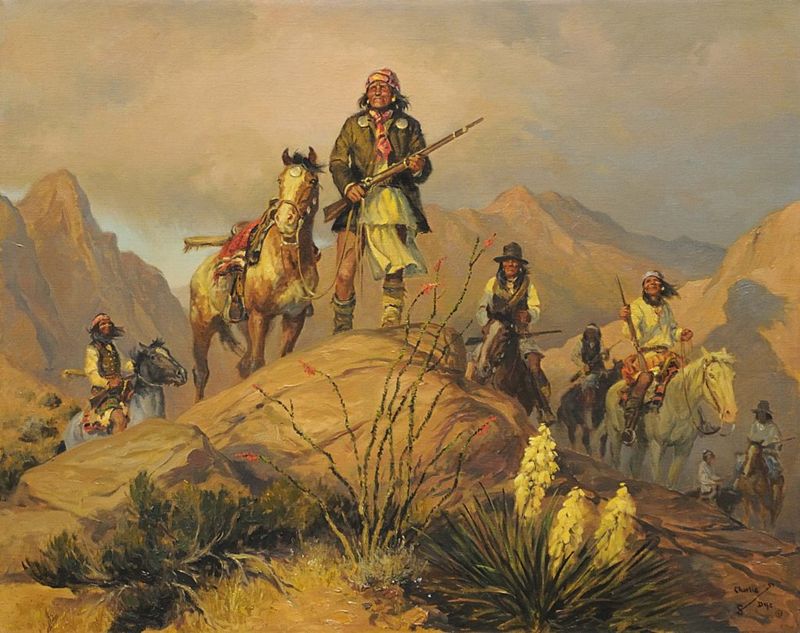
Fairness and honor were cherished values in the lawless West. Offering a stranger a chance to surrender reflected these principles. It prevented unnecessary violence and allowed for resolutions without bloodshed. This rule encouraged cowboys to engage with their adversaries humanely, recognizing the shared struggle for survival. By giving an opponent the opportunity to surrender, they upheld a code of conduct that transcended personal conflicts. It reinforced a culture of respect, even amongst foes, providing a framework for coexistence in the unpredictable world of the wild frontier.
12. Don’t Cheat at Cards—Unless You’re Ready to Die
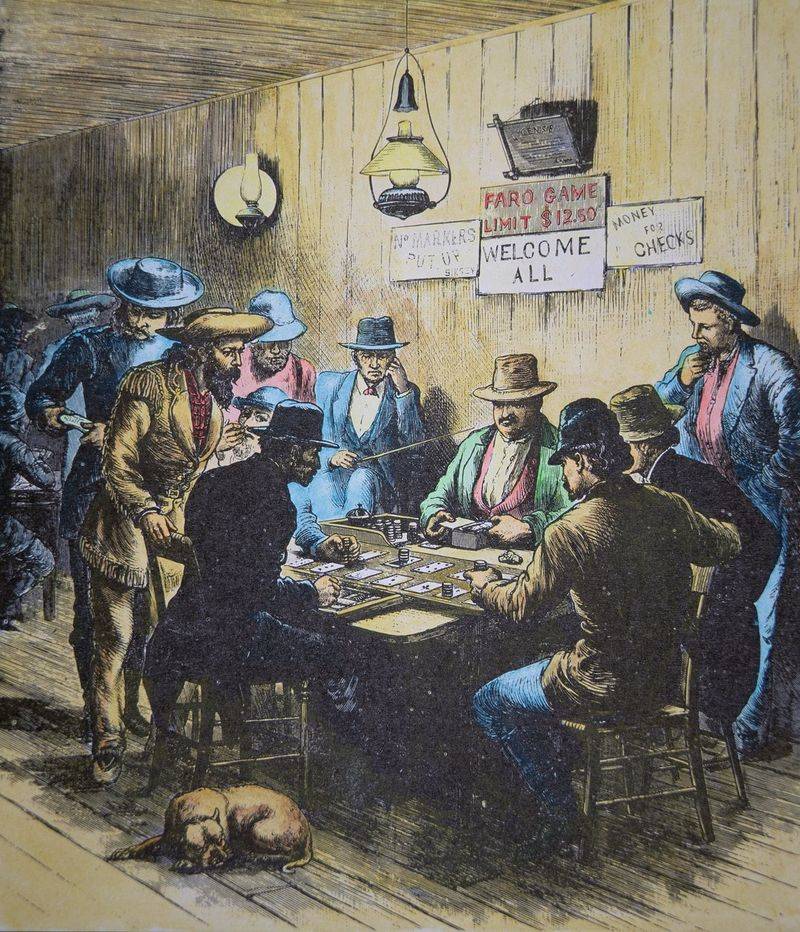
Cheating at cards in the Wild West was a perilous gamble. The rule warned that dishonest play could have deadly consequences. Cards were more than a game; they were a serious pastime where fortunes and reputations were won and lost. A cowboy caught cheating faced immediate retribution, often from a barrel aimed at his chest. This rule underscored the importance of integrity and the risks of deceit. It served as a stark reminder that honesty was paramount, and that treachery could swiftly turn a friendly game into a fatal confrontation.
13. If You’re Wounded, Don’t Slow Down the Group
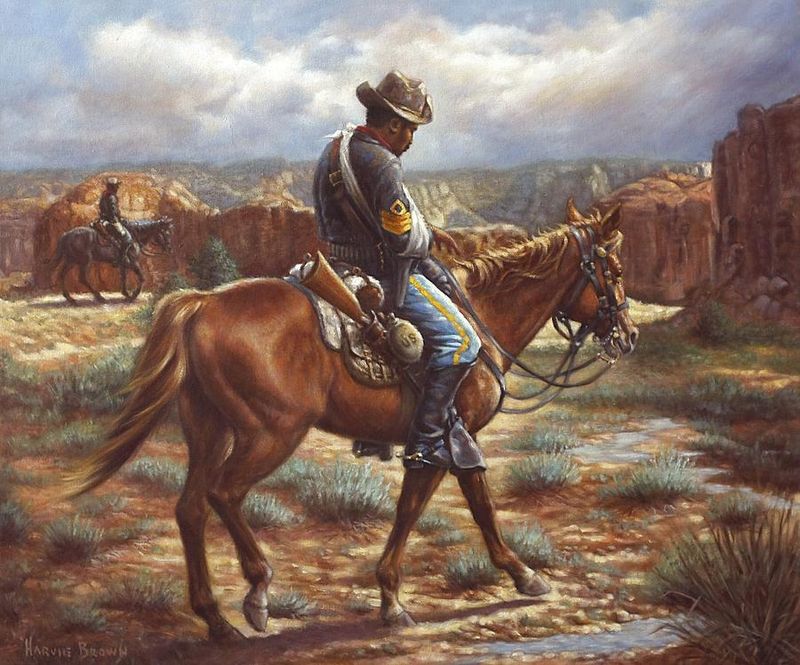
In the harsh wilderness, survival demanded collective strength. The rule for wounded cowboys not to slow down the group highlighted the brutal reality of frontier life. Injuries could render a man vulnerable, yet the group’s safety remained paramount. A wounded cowboy was expected to endure and not impede the progress of others. This principle wasn’t about callousness; it was a pragmatic approach to survival. Cowboys understood the stakes and the necessity of prioritizing the many over the one, ensuring the group remained agile and out of danger’s reach.
14. No Snoring in the Bunkhouse

Rest was a precious commodity in the bustling life of a cowboy, and a noisy bunkmate could disrupt the entire crew. The rule against snoring in the bunkhouse was born from the need for a peaceful night’s rest. Chronic snorers often found themselves sleeping outside, away from weary ears. This rule emphasized consideration for others, fostering a harmonious living environment. It wasn’t just about comfort, but about ensuring everyone was well-rested for the challenging days ahead. In a world where every day was a test of endurance, sleep was sacred.
15. Never Abandon a Partner in a Gunfight
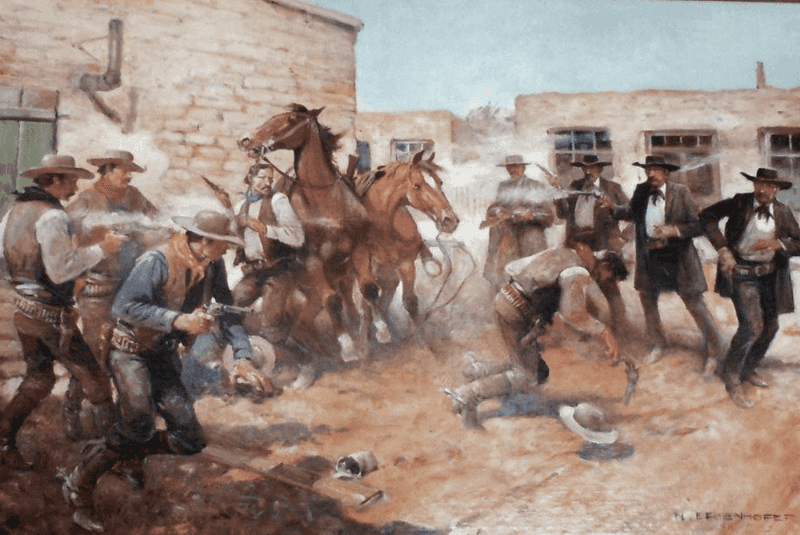
Loyalty was the backbone of any posse or gang, and the rule to never abandon a partner in a gunfight underscored this. In the face of danger, cowboys stood by their comrades, come what may. This bond was forged through shared trials and the understanding that survival often depended on mutual support. Abandonment in a gunfight was seen as a betrayal, leading to exile or worse. Adhering to this rule reinforced trust and camaraderie, essential elements in the unpredictable tapestry of frontier life, where alliances were key to enduring chaos.
16. Respect the Cook—Or Go Hungry
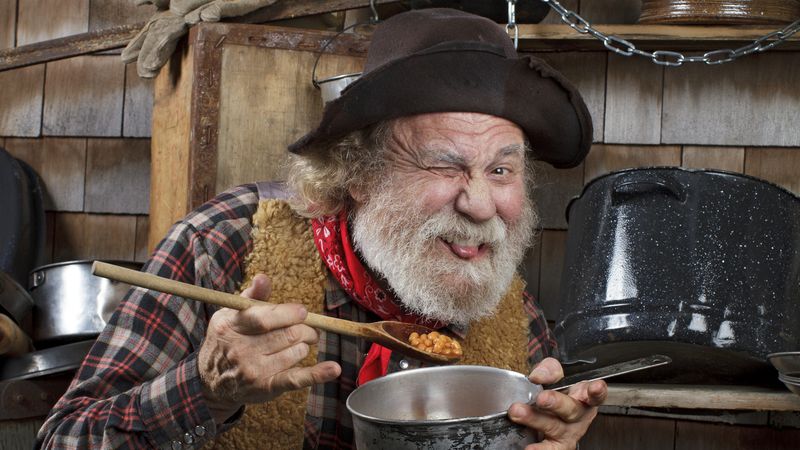
The chuckwagon cook wielded significant influence over a cowboy’s day-to-day life. Respecting the cook ensured hearty meals, while crossing him could lead to meager rations. This rule highlighted the cook’s authority and the importance of gratitude. Cowboys depended on him for sustenance, making this relationship crucial. Respect wasn’t merely about politeness; it was a tactical choice to ensure one’s survival and well-being. This rule emphasized the balance of power within a camp and the necessity of maintaining harmonious relations to keep spirits and energy levels high.
17. When in Doubt, Let the Colt Decide
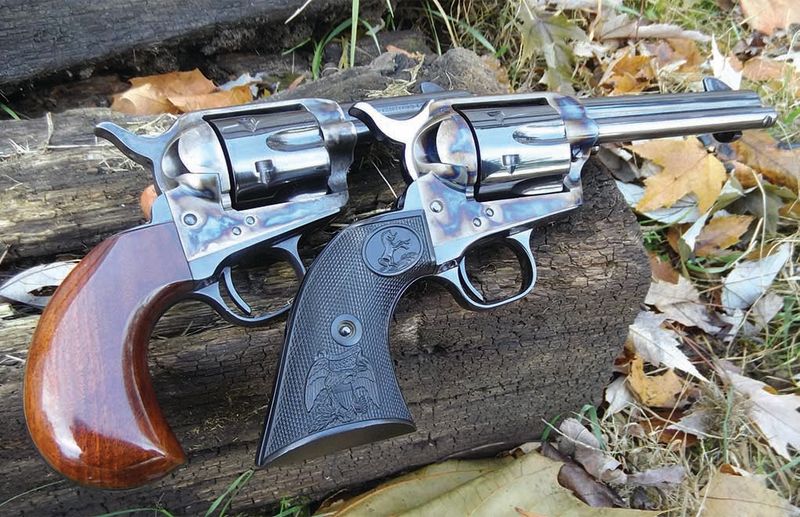
In the Wild West, where disputes were frequent, the Colt revolver often settled matters quickly. The rule “When in Doubt, Let the Colt Decide” spoke to the frontier’s reliance on firearms for resolution. Words sometimes failed, and in those moments, a Colt could end an argument definitively. This rule wasn’t about glorifying violence, but about acknowledging the reality of frontier justice. It reflected the rugged individualism that defined cowboy life, where each man was responsible for his fate, using all means necessary to navigate the lawless expanse.