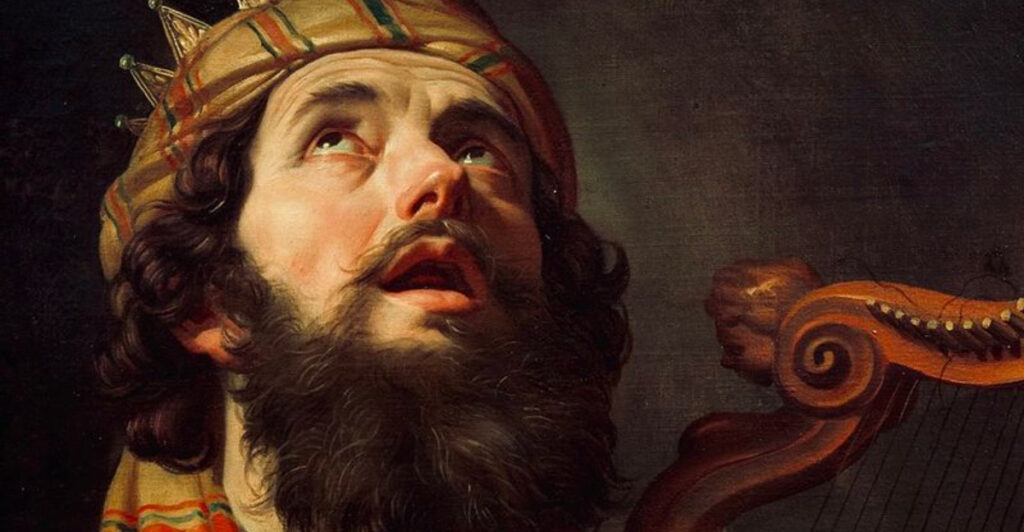
The Hebrew Bible contains numerous prophecies that foreshadow the coming of Christ, intricately woven through the fabric of its texts. These prophecies not only highlight the anticipation of a Messiah but also present an extraordinary alignment with the life of Jesus, as depicted in the New Testament. From His birth to His resurrection, each prophecy unveils a facet of Christ’s mission and identity. This article explores twelve specific prophecies, revealing the profound connection between ancient scriptures and their fulfillment in the life of Jesus Christ, offering a rich tapestry of hope and divine promise.
1. The Seed of the Woman (Genesis 3:15)
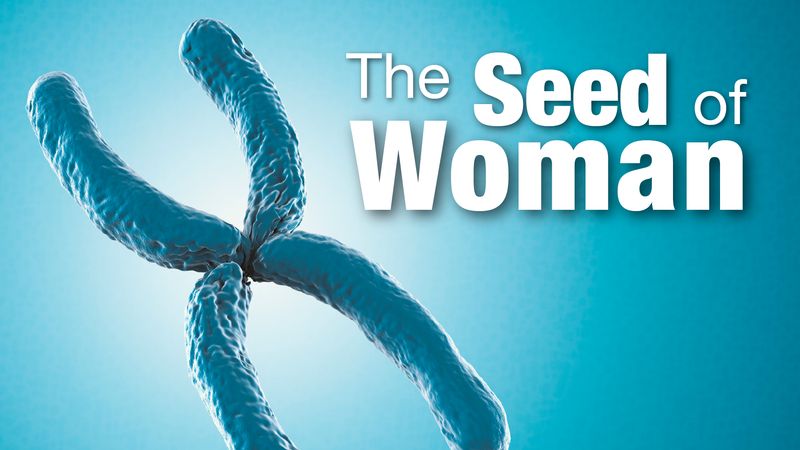
In the earliest chapters of Genesis, a promise shines through the shadows of the fall. God declares that the seed of the woman will crush the serpent’s head, offering the first glimmer of redemption. This prophecy is seen as a foreshadowing of Jesus, born of a virgin, who would defeat Satan through His sacrifice on the cross. The imagery of the serpent striking His heel reflects the suffering of Christ, while His ultimate victory is symbolized in the crushing of the serpent’s head. It’s a beacon of hope amid humanity’s earliest days.
2. The Descendant of Abraham (Genesis 12:3, 22:18)
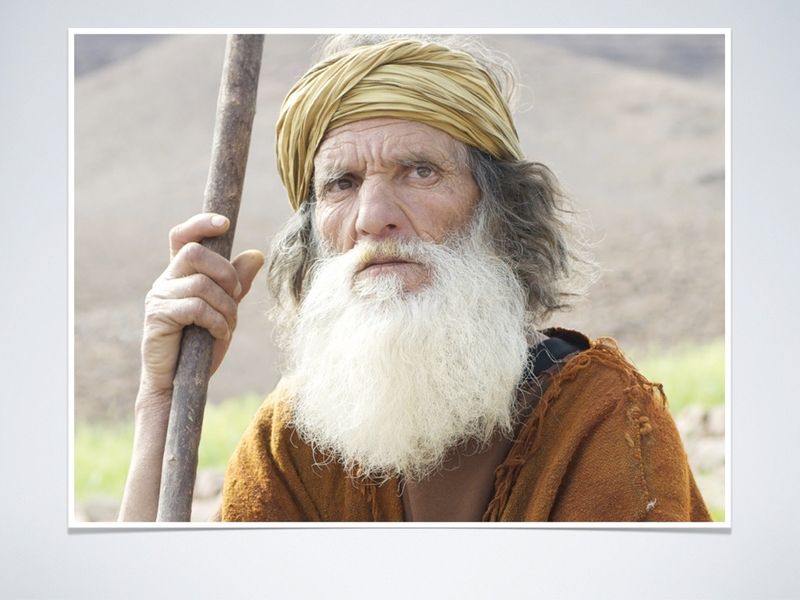
The promise to Abraham that all nations would be blessed through his offspring resonates through the ages. This prophecy, fulfilled in Jesus, a direct descendant of Abraham, signifies the opening of salvation to all peoples. The vastness of the starry sky mirrors the countless lives touched by Christ’s message. Abraham’s faith led to blessings that transcend generations, culminating in the life and mission of Jesus. The lineage from Abraham to Christ portrays an unbroken chain of divine purpose, with every link carefully crafted by the hand of providence.
3. The Lion of Judah (Genesis 49:10)
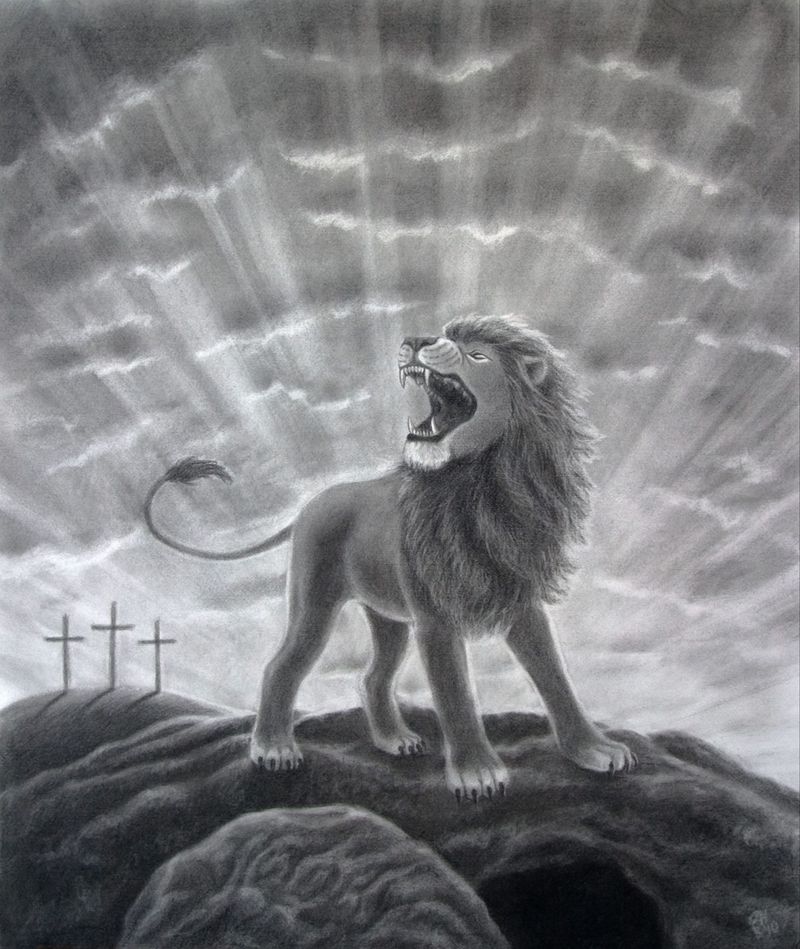
Jacob’s blessing over Judah foretells a ruler from his lineage, described as a lion. This imagery, imbued with regal authority, prefigures the coming of Shiloh, or the Messiah, who holds the scepter of kingship. Jesus, hailing from the tribe of Judah, fulfills this prophecy with His lineage and His messianic role. The lion symbolizes strength and majesty, attributes that resonate with Christ’s divine kingship. This prophecy encapsulates the anticipation of a leader who embodies justice and righteousness, heralding a kingdom not of this world.
4. The Passover Lamb (Exodus 12:5-6, 13)
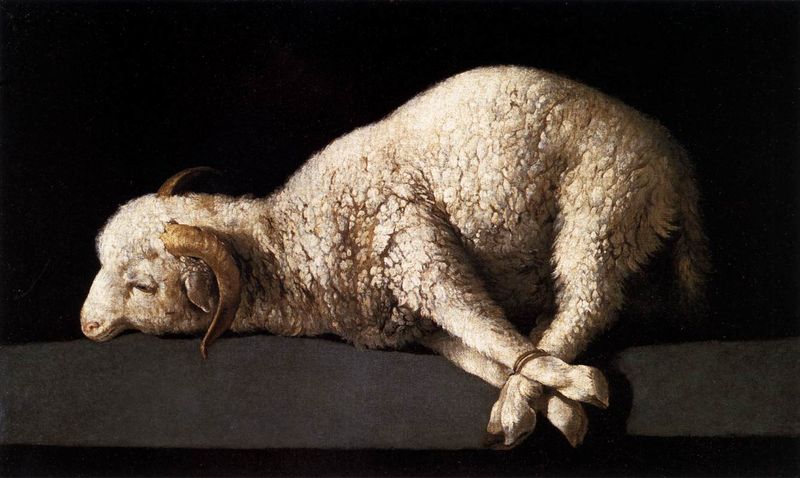
The Passover lamb, central to the salvation of Israel from Egypt, finds its ultimate fulfillment in Jesus, the Lamb of God. The lamb’s blood, which spared the Israelites, prefigures the blood of Christ, redeeming humanity from sin. This sacrificial imagery underscores the profound connection between the Passover and the crucifixion. Through the lens of this prophecy, Jesus’ sacrifice is seen as the ultimate act of deliverance. The parallels drawn between the events highlight the continuity of God’s redemptive plan across time and testament.
5. The Prophet Like Moses (Deuteronomy 18:15, 18-19)
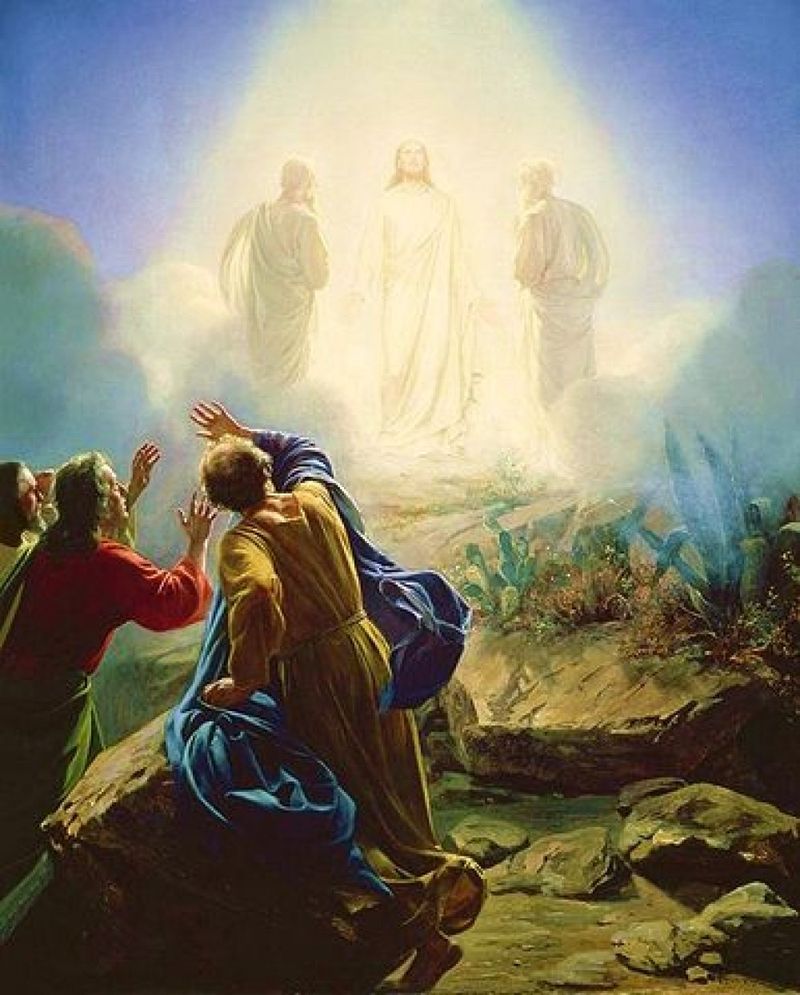
Moses, as a towering figure in Israel’s history, was promised a prophetic successor. This prophecy points to Jesus, the ultimate prophet, who speaks God’s word with authority and clarity. The parallels between Moses and Jesus are profound, with both leading their people toward freedom and truth. While Moses delivered the law, Jesus fulfilled it, revealing its true spirit. This prophecy highlights the continuity and expansion of God’s revelation, bridging the old covenant with the new. Jesus embodies the prophetic voice that echoes through the ages, calling humanity to repentance and restoration.
6. The Eternal King from David’s Line (2 Samuel 7:12-13; Psalm 89:3-4)
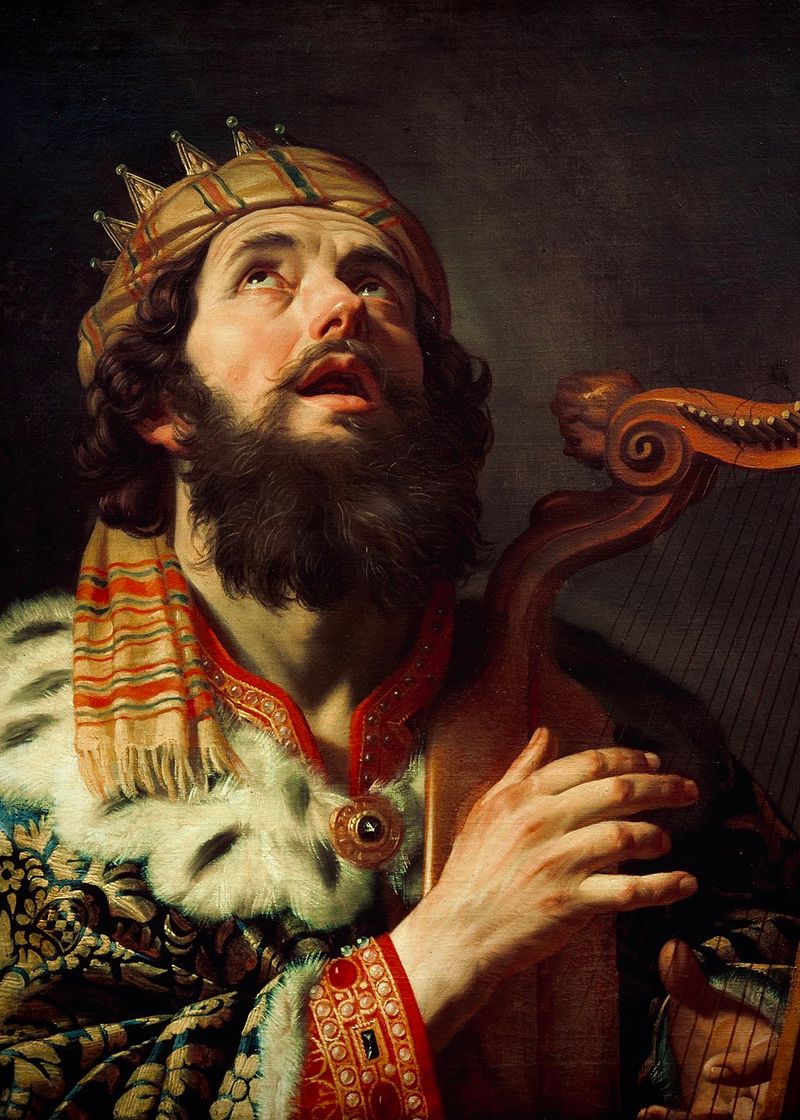
The promise of an eternal kingdom through David’s line finds its fulfillment in Jesus, the Son of David. This prophecy emphasizes the enduring nature of Christ’s reign, transcending earthly realms. David’s throne, symbolic of divine favor and authority, is eternally established in Jesus’ kingship. This promise of continuity assures believers of the unending presence of Christ’s rule. The majestic imagery of a royal throne captures the essence of a kingdom grounded in justice and mercy, reflecting God’s unwavering covenant with David and his descendants.
7. Born of a Virgin (Isaiah 7:14)
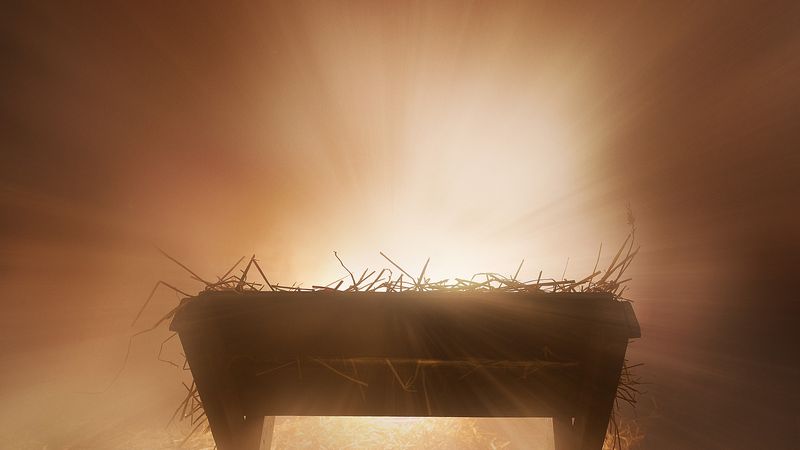
The prophecy of a virgin birth, heralded by Isaiah, unfolds in the nativity of Jesus. This miraculous event, a cornerstone of Christian belief, signifies divine intervention and the fulfillment of ancient promises. Mary’s purity and obedience stand as a testament to her pivotal role in salvation history. The birth of Jesus, called Immanuel, meaning ‘God with us,’ embodies the promise of God’s presence among His people. This prophecy highlights the extraordinary means by which God chose to enter the world, bridging the divine and human realms.
8. The Suffering Servant (Isaiah 53)
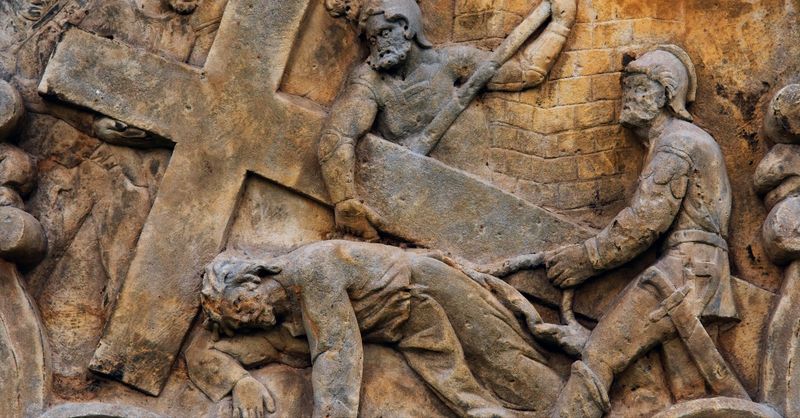
Isaiah’s poignant depiction of the suffering servant foreshadows the crucifixion of Jesus. This prophecy, with its vivid imagery of vicarious suffering, underscores the sacrificial nature of Christ’s mission. The servant, pierced for humanity’s transgressions, embodies ultimate humility and obedience. Through His wounds, healing and forgiveness flow, fulfilling the servant’s redemptive purpose. This passage, often regarded as a profound messianic oracle, captures the essence of Jesus’ sacrifice, resonating with themes of love, atonement, and redemption. It stands as a testament to the enduring power of sacrificial love.
9. Born in Bethlehem (Micah 5:2)
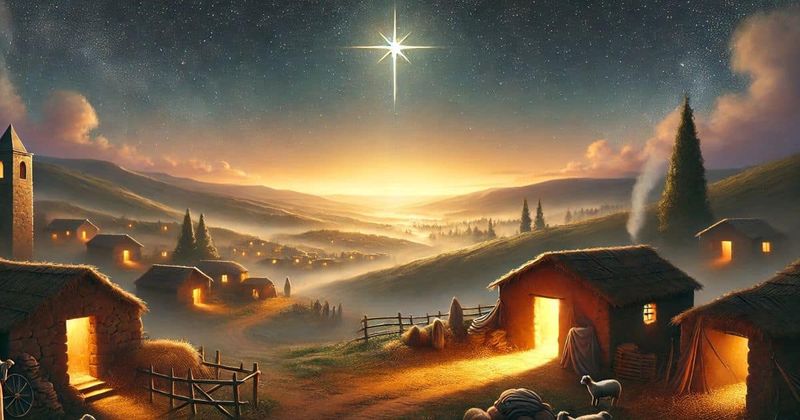
The prophecy of Messiah’s birth in Bethlehem, a small yet significant town, finds fulfillment in Jesus’ nativity. This humble setting contrasts with His royal lineage, emphasizing the paradox of divinity clothed in humility. Bethlehem, the City of David, holds a cherished place in salvation history as the birthplace of the Savior. The starry night sky, often associated with this event, symbolizes hope and divine guidance. This prophecy underscores the unexpected ways in which God operates, choosing the humble and lowly as the backdrop for monumental events.
10. The Triumphal Entry on a Donkey (Zechariah 9:9)
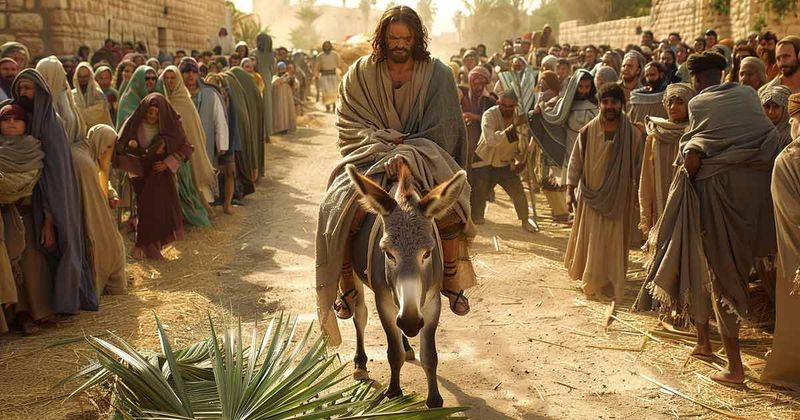
Zechariah’s vision of a king entering Jerusalem on a donkey is vividly realized in Jesus’ triumphal entry. This prophecy highlights the contrast between worldly power and divine humility. While kings typically rode majestic steeds, Jesus’ choice of a donkey symbolizes peace and servanthood. The jubilant crowd, waving palm branches, heralds Him as the awaited Messiah. This event, laden with messianic symbolism, marks a pivotal moment in Jesus’ ministry. It invites reflection on the nature of true kingship and the values of God’s kingdom, challenging conventional notions of authority and power.
11. Betrayed for 30 Pieces of Silver (Zechariah 11:12-13)
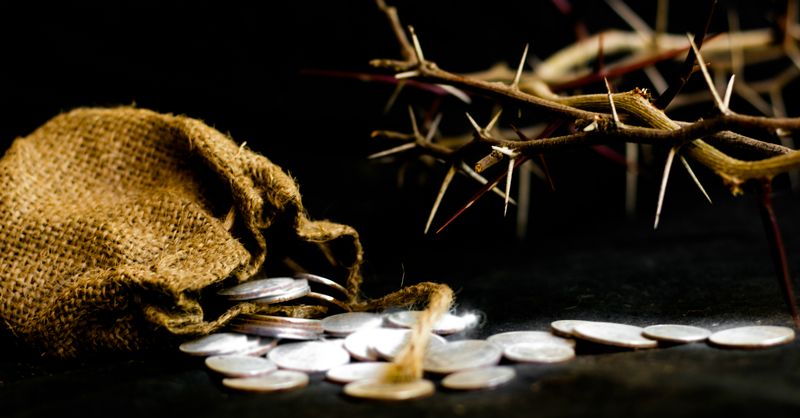
The prophecy of betrayal for thirty pieces of silver finds its poignant fulfillment in Judas’ actions. This specific detail underscores the gravity and foresight of the prophecy. The silver, later thrown into the temple, symbolizes remorse and futile reparation. This betrayal, a tragic element in the passion narrative, highlights the cost of sin and the depths of human frailty. It also serves as a stark reminder of the fulfillment of divine prophecy, woven into the fabric of salvation history. The coins, once symbols of greed, become markers of a pivotal moment in Jesus’ path to the cross.
12. Resurrection Foretold (Psalm 16:10, Isaiah 26:19)
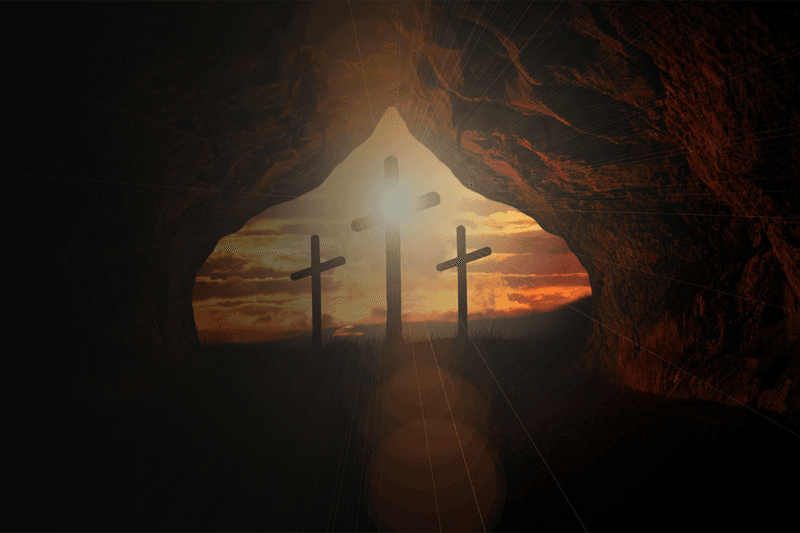
The anticipation of resurrection, hinted at in the Psalms and Isaiah, finds its ultimate realization in Jesus’ rising from the dead. This prophecy affirms the triumph of life over death and the promise of eternal life. The empty tomb stands as a symbol of hope and renewal, signifying the fulfillment of ancient promises. In Jesus’ resurrection, believers find assurance of their own future resurrection. This pivotal event underscores the core of Christian faith, marking the defeat of death and the victory of divine love. The imagery of an empty tomb resonates with themes of renewal and everlasting hope.