Back in the day, a compliment wasn’t always what it sounded like. In the 18th and 19th centuries, charm had flair—but also a dose of weird, a splash of creepy, and sometimes a whole jug of awkward. Here are 17 old-timey compliments that might’ve wooed a suitor then—but would likely earn a raised eyebrow (or a restraining order) today.
1. You’re as plump as a partridge!
In the 1700s, being compared to a partridge was a high compliment. Plumpness symbolized wealth and health during those times. The more curves one had, the more esteemed they were. Today, such a compliment might not be received well at a social gathering, but back then, it was a symbol of admiration. It’s fascinating how beauty standards have transformed over the centuries, shifting from one cultural ideal to another, often influenced by the social and economic climate of the time.
2. You’ve got ankles worth writing poetry about.
Ankles, once the forbidden fruit of the Victorian era, had the power to scandalize and captivate. Back then, to wax poetic about such a sight was considered flirtatious and daring. Today, this would likely raise some eyebrows or even a giggle. However, the mystery that once surrounded such a simple body part reflects the strict societal norms of the past. This compliment, with its peculiar charm, remains a testament to the curious allure of bygone days.
3. Your countenance is most agreeable.
In the Regency era, expressing that someone had an agreeable countenance was high praise indeed. Essentially, it boiled down to saying, “Your face is pleasant and not offensive.” This reserved and somewhat peculiar way of admiration fits the formal and restrained nature of courtship in Jane Austen’s time. While today, one might prefer more expressive affirmations, this old-timey compliment encapsulates a time when subtlety was key in social interactions.
4. You’ve got childbearing hips!

Once considered one of the highest praises for a woman, being told she had childbearing hips implied that she was strong and capable of motherhood. In a time when family lineage and offspring were significant, such a compliment held weight. Today, however, it’s rather unwelcome and might even be seen as intrusive. It’s a reflection of how societal values and norms evolve, often leaving behind expressions that no longer fit modern sensibilities.
5. You’d make a fine broodmare!

In rural communities, a woman’s worth was sometimes equated to her ability to bear children, much like prized livestock. Being compared to a broodmare was, oddly enough, a compliment of sorts. It suggested strength and fertility, qualities that were highly valued in agrarian societies. Today, such a remark is wildly inappropriate and offensive. This old compliment reveals the utilitarian view of women that once prevailed, offering insight into past cultural attitudes that have thankfully shifted over time.
6. You’re as fresh as a May morning!
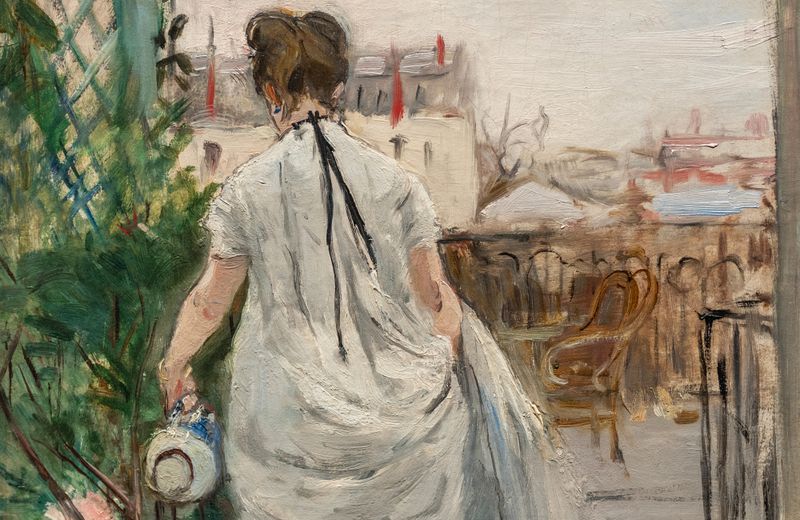
The freshness of a May morning evokes images of new beginnings and beauty. In the 1800s, comparing someone to a May morning was a poetic way to admire their vitality and allure. This compliment paints a picture of youth and vibrancy, likened to the rejuvenating qualities of spring. While today, it may sound like something your grandmother might say, it once held romantic connotations. Such sentiments, though quaint now, once inspired genuine admiration.
7. Your skin is as pale as milk.
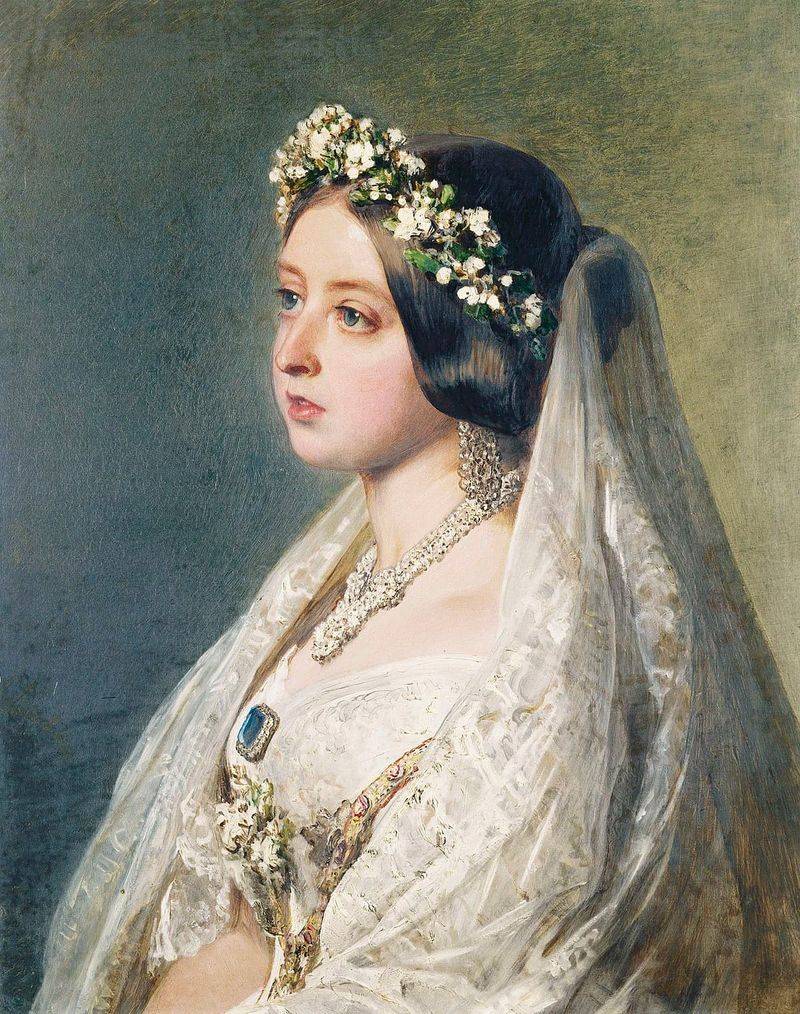
Pale skin was once the epitome of elegance and high class, signifying a life of leisure away from the sun. In the Victorian era, having skin as pale as milk was a marker of beauty and nobility. Today, it could raise concerns for one’s health. This compliment, though outdated, reflects the contrasting beauty ideals of past societies. It’s a reminder of how cultural interpretations of beauty fluctuate, influenced by societal changes and evolving aesthetics.
8. You have the bosom of a goddess.
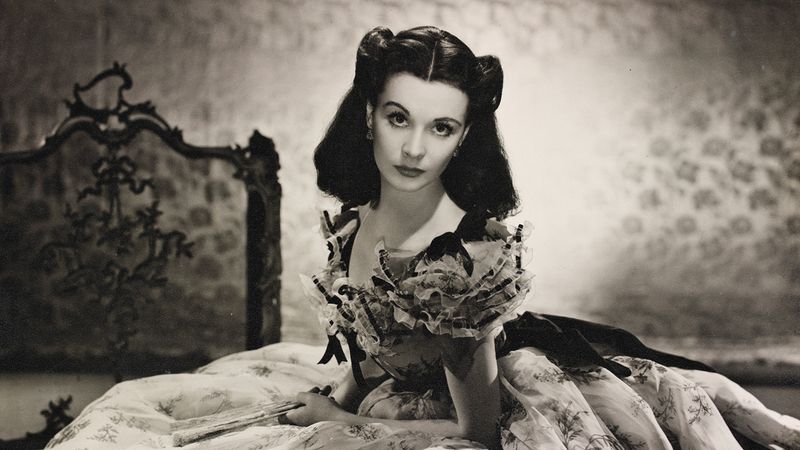
In the throes of Victorian romance, comparing a woman’s bosom to that of a goddess was intended as the highest form of flattery. It signified divine beauty and allure, often featured in poetic love letters. Today, such a compliment would likely be regarded as inappropriate and unprofessional, perhaps even resulting in an HR complaint. This old compliment highlights the passionate expressions of love from the past, revealing the intricate dance of romance and reverence in bygone eras.
9. You smell of lavender and good breeding.
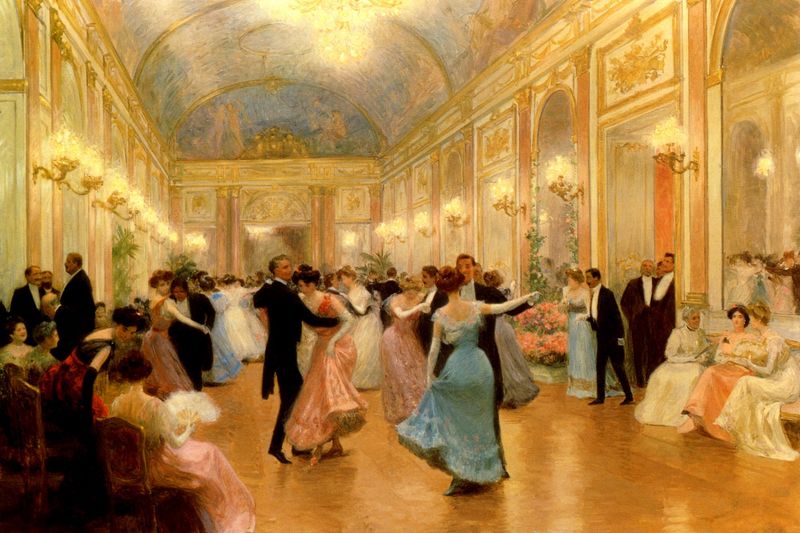
A strangely specific compliment, yet in the 19th century, smelling of lavender and good breeding was meant to convey elegance and sophistication. The floral scent was associated with refinement, while “good breeding” alluded to one’s social standing. Today, such a compliment might seem awkwardly outdated and even classist. This peculiar blend of compliment reflects the intricate social hierarchies of the time and offers a glimpse into the values and expectations that shaped social interactions.
10. You’ve the bearing of a duchess.
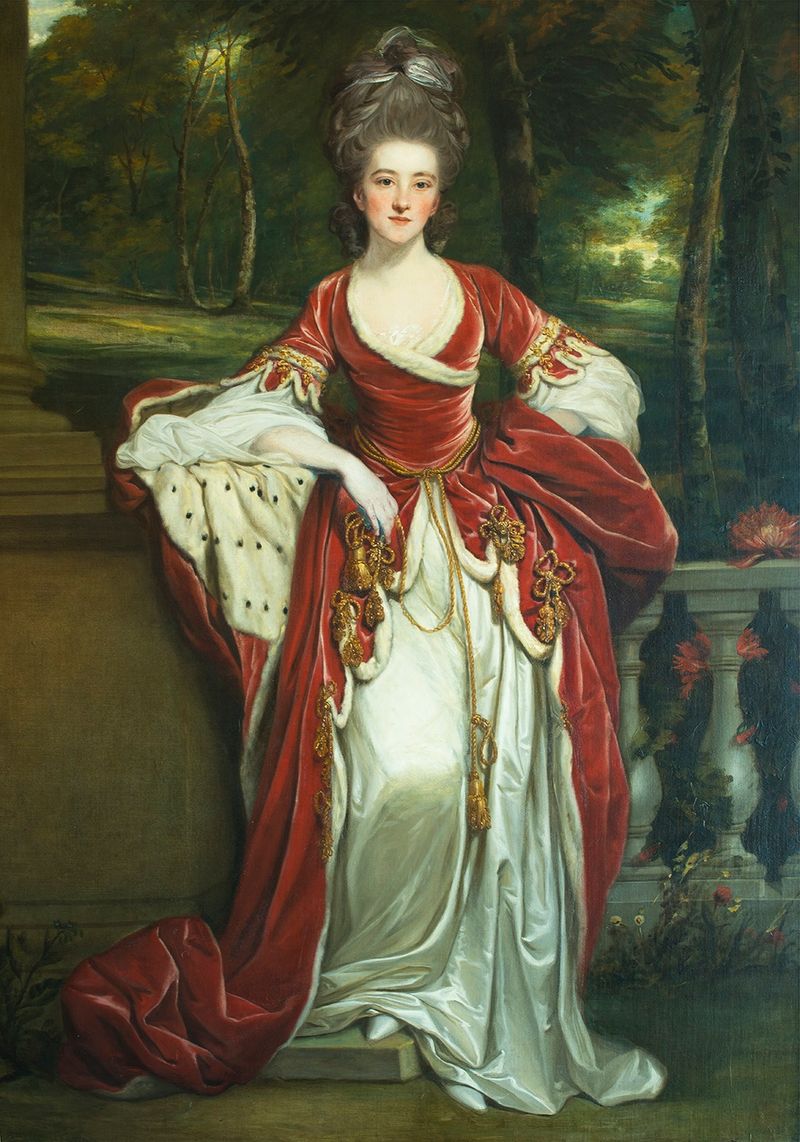
To be told you have the bearing of a duchess was to be acknowledged for your grace and refinement. It was a compliment reserved for those who exuded an air of nobility and poise. Today, it might sound like a veiled comment on posture rather than demeanor. This compliment reflects the societal admiration for aristocratic qualities, offering insight into the historical fascination with class and decorum, which often dictated the standards of beauty and social behavior.
11. You’d fetch a fair dowry!
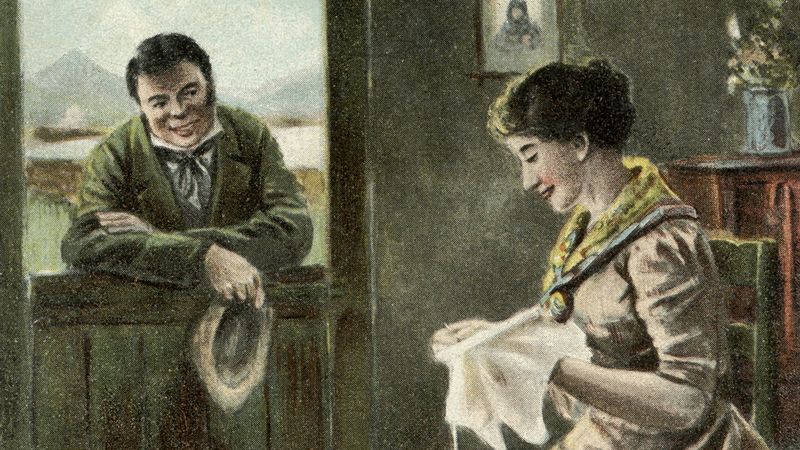
During times when marriages were often transactional, being told you’d fetch a fair dowry was a compliment of economic significance. It implied desirability and financial promise, alluring traits in a prospective bride. Today, this would seem reductive and deeply awkward. Imagine a matchmaking scene in the 19th century, where an eligible young lady is admired for her advantageous potential. This compliment underscores the historical importance placed on marriages as alliances, driven by economic considerations. It highlights the shifting dynamics of relationships over time, moving towards personal connection and emotional fulfillment in modern contexts.
12. Your laugh is like the tinkling of bells.
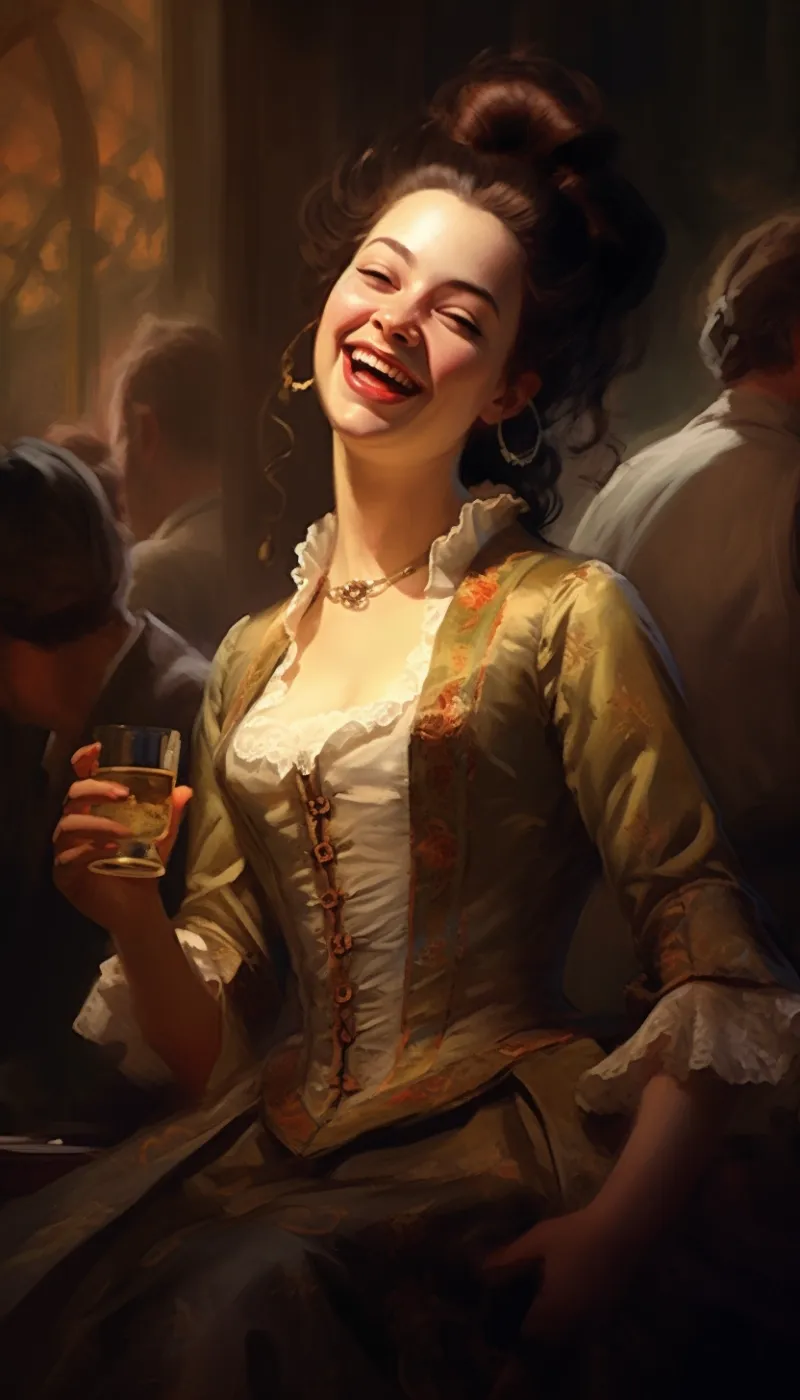
The whimsical imagery of a laugh likened to the tinkling of bells was a charming compliment in Victorian times. It suggested a delightful and merry disposition, capturing the essence of joy and lightheartedness. Today, it might be perceived as an odd way to describe a laugh, yet it carried genuine affection back then. Such compliments reflect the poetic nature of past social interactions, where language was often used to paint vivid pictures of admiration and fondness.
13. Your eyes are like limpid pools.
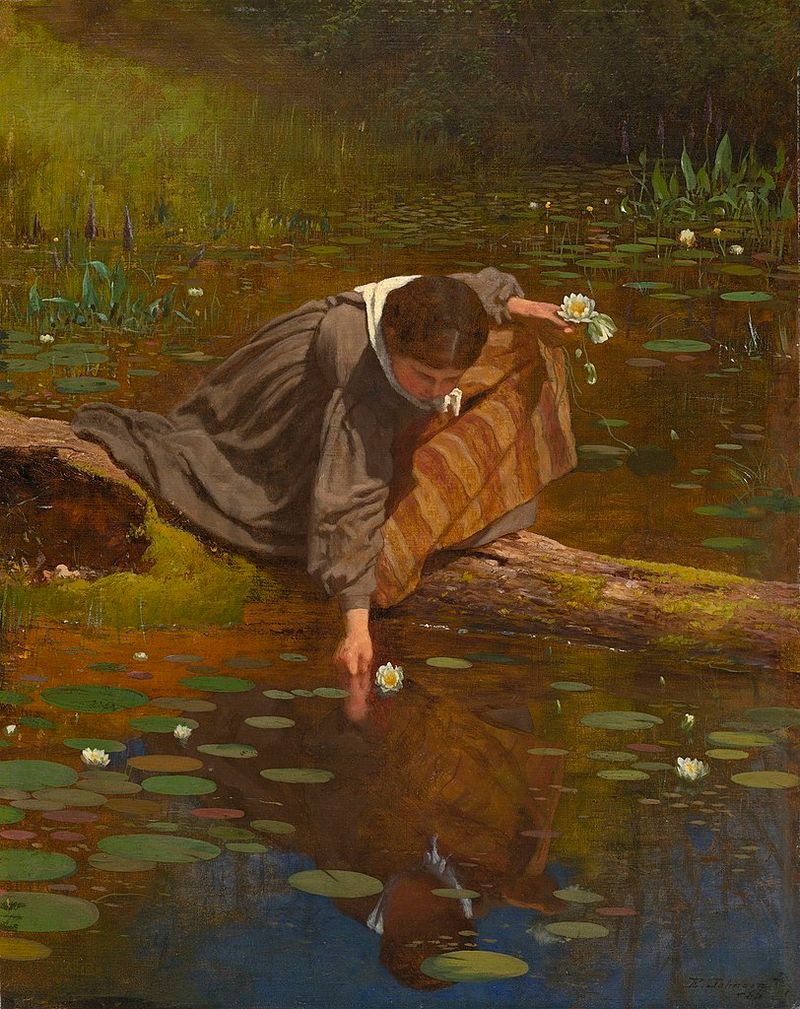
In Victorian love letters, eyes described as limpid pools suggested clarity and depth, evoking romantic imagery. The term “limpid” means clear, yet it often sounded more like a swamp reference. This poetic compliment was meant to highlight the allure and mystery of one’s gaze. Today, the phrase might be received with confusion rather than admiration, yet it remains a testament to the flowery language and romantic expressions that characterized communication in past societies.
14. Your figure would shame a Grecian urn.
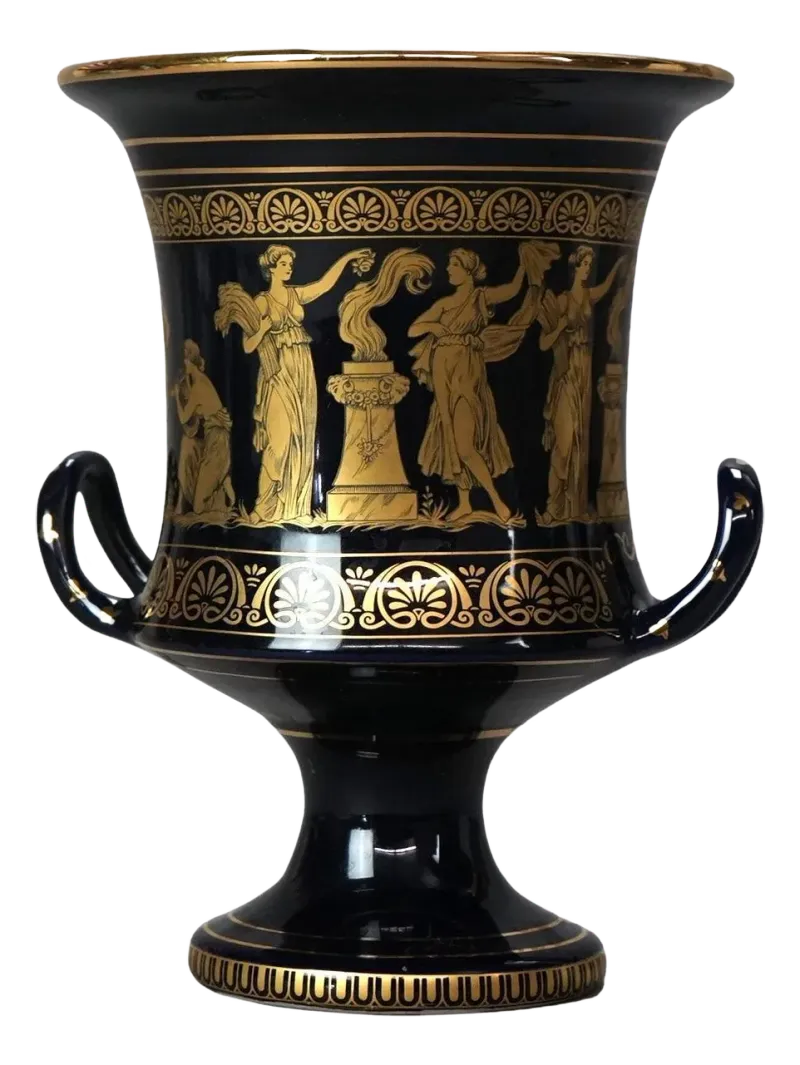
In the 1800s, comparing a person’s figure to a Grecian urn was a compliment celebrating classical beauty and elegance. The reference to ancient art highlighted aesthetic perfection and symmetry. Today, such a comparison may seem overly artsy or peculiar. This compliment reflects the admiration for classical antiquity that influenced many aspects of 19th-century art and culture. It reveals how historical standards of beauty were often drawn from ancient ideals, celebrated through artistic and poetic expression.
15. You are possessed of ample charms.
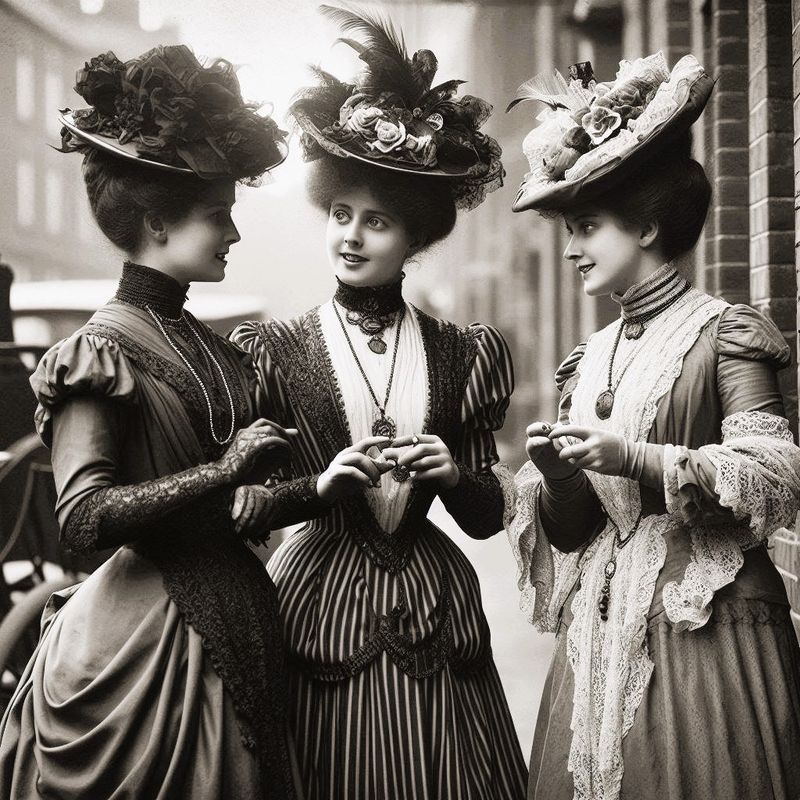
The phrase “ample charms” was a polite way to suggest that someone was well-endowed or attractive. This euphemism was part of the indirect language used in Victorian times to navigate social proprieties. Today, this compliment might be seen as outdated or even inappropriate. The use of such euphemisms highlights the complexity of social interactions in the past, where language served as a tool to convey attraction and admiration discreetly, adhering to the era’s strict decorum.
16. You’ve the wit of a well-bred stallion.

This peculiar compliment draws an unexpected parallel between a person’s wit and that of a stallion. In rural areas, animals, especially horses, were valued for their intelligence and nobility. To be compared to a well-bred stallion implied sharpness and keen intellect. Today, such a comparison might provoke more confusion than flattery. This reflection of admiration through animal traits offers insight into the cultural values of the time, where strength and intelligence were celebrated through unique and sometimes unexpected comparisons.
17. You’ve a face fit for cameo.
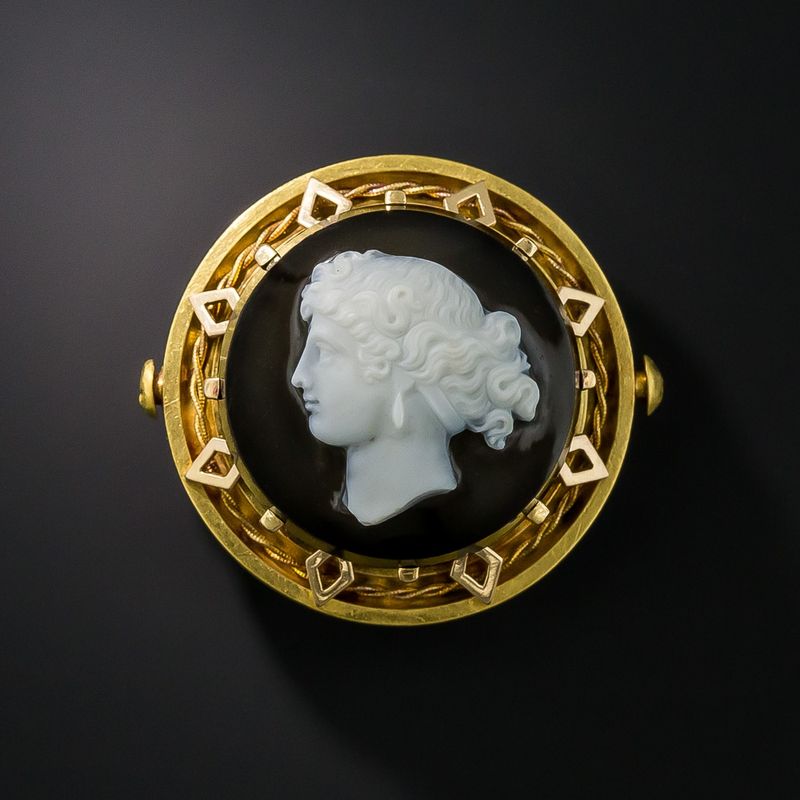
In the Victorian era, cameo jewelry was cherished for its intricate designs that often featured elegant profiles. To be told one had a face fit for cameo was a compliment to one’s refined beauty and grace. Today, however, it might be mistaken for a modern influencer shoutout. This compliment serves as a reminder of the artistry and craftsmanship that celebrated individual beauty in a tangible form, reflecting the timeless allure of personal adornment in historical fashion.