
They seemed so innocent—those colorful cartoons and Saturday morning sitcoms that shaped your childhood. But behind the scenes? Not everything was as cheerful as it appeared. From backstage scandals to unsettling origins, these 17 dark secrets may just ruin your childhood (or at least make you see it differently).
1. Barney Threats
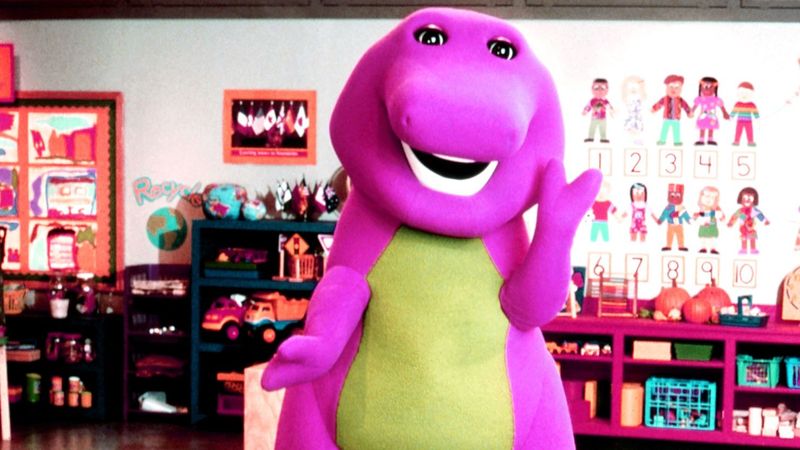
Barney & Friends Received Bomb Threats. Hard to believe, but the purple dinosaur was once that hated. In the ’90s, Barney became such a cultural punchline that people actually phoned in threats to PBS stations. Security had to be increased on set.
2. Rugrats Theory
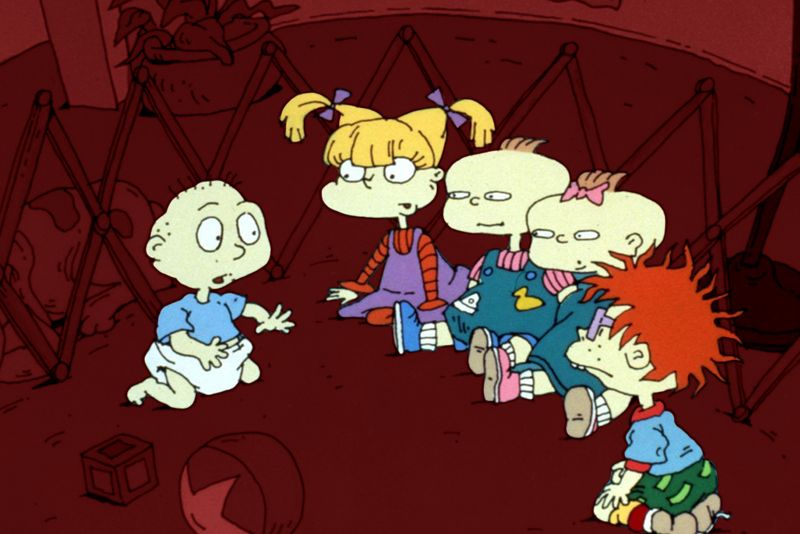
Rugrats Had a Grim Fan Theory That Won’t Die. Some fans believe the babies are all figments of Angelica’s imagination—each one representing a child who died. It’s not canon, but it’s disturbing enough to stick in the fandom’s lore.
3. Elmo Controversy
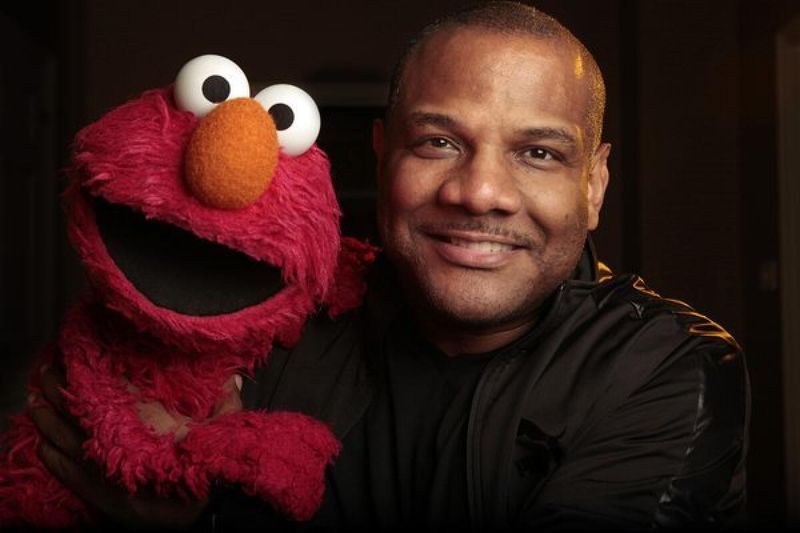
The Voice Actor of Elmo Was Accused of Abuse. Kevin Clash, who brought Elmo to life for over two decades, stepped down after allegations of sexual misconduct surfaced in 2012. Though charges were eventually dismissed, the damage was done.
4. Smurfs Allegations
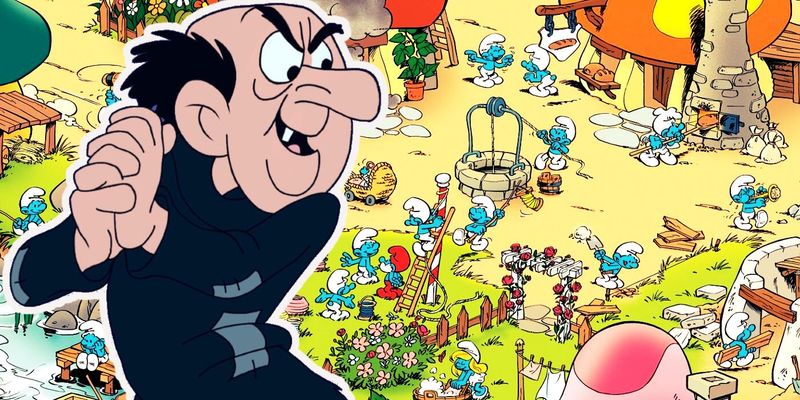
The Smurfs Allegedly Had Nazi Undertones. Critics have pointed out some eerie similarities between the Smurfs’ all-blue society, the authoritarian Papa Smurf, and white supremacist ideals. Even Gargamel was a caricature that sparked concern.
5. Mister Rogers Censorship
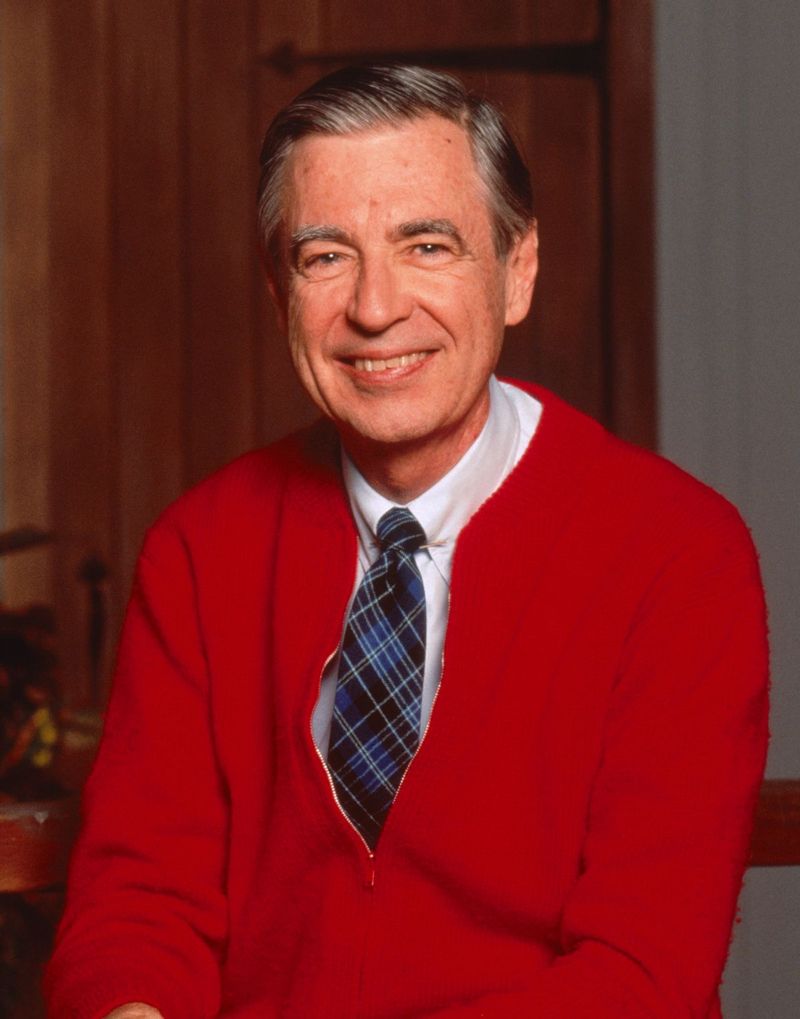
Mister Rogers’ Neighborhood Was Targeted by Government Censors. Fred Rogers’ soft voice and kind heart weren’t universally loved. Some officials tried to defund PBS, claiming the show made children “too soft”—a strange critique for a man who just wanted kids to feel safe.
6. Powerpuff Girls Jokes
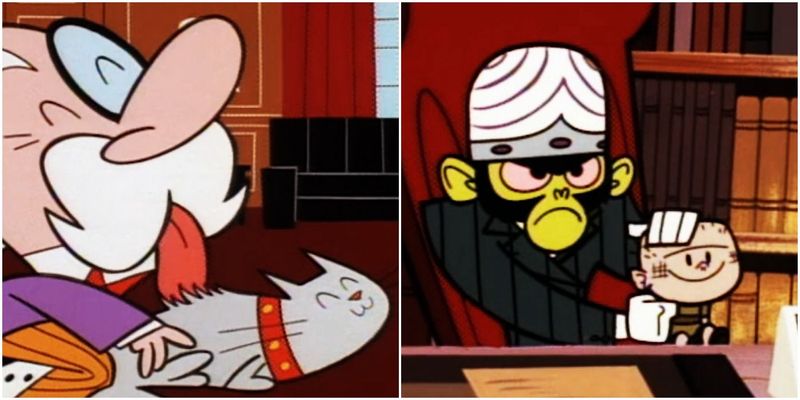
The Powerpuff Girls Had More Adult Jokes Than You Realized. From crossdressing villains to innuendos tucked into dialogue, Powerpuff Girls was known among animators for pushing boundaries—sometimes way beyond PG.
7. Scooby-Doo Origins
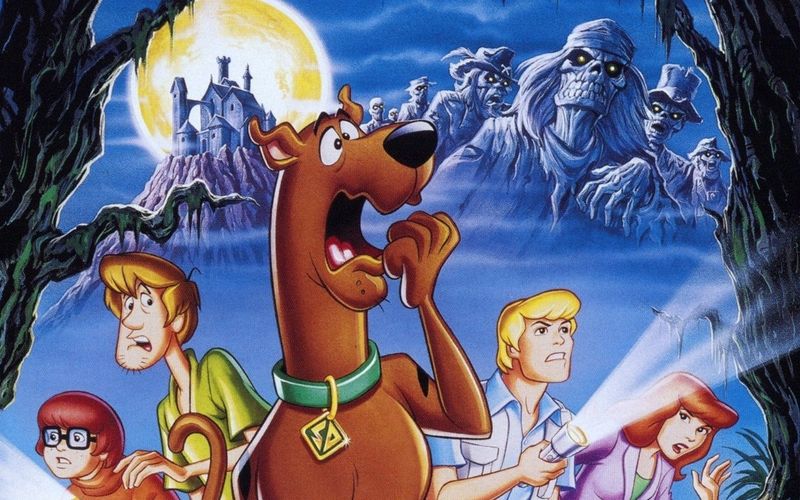
The Original Scooby-Doo Was Based on a Horror Anthology. That goofy gang in the Mystery Machine? They were inspired by ‘I Love a Mystery,’ a 1930s radio show with grisly murder plots and missing limbs. Scooby’s creators just watered it down—barely.
8. Teletubbies Panic
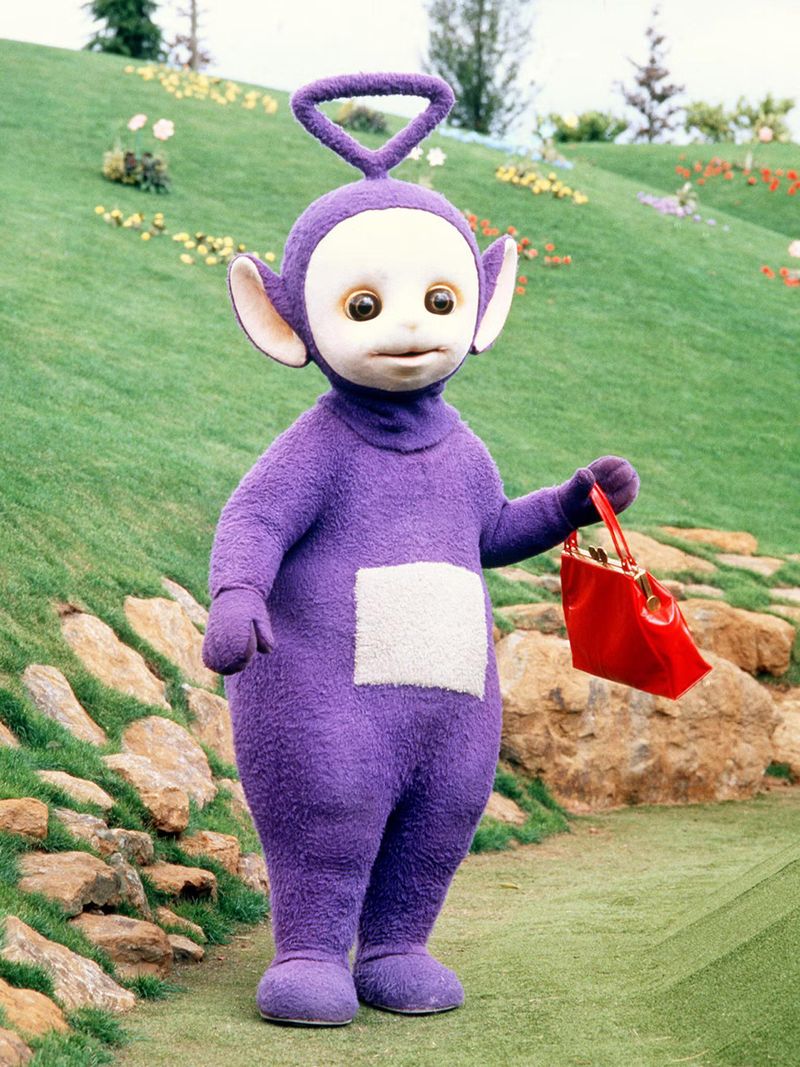
Teletubbies Faced Accusations of Promoting Queer Agendas. Tinky Winky became a target of moral panic in the late ’90s when conservative groups accused the show of pushing LGBTQ themes onto children—based solely on his purple color and triangle antenna.
9. Animaniacs Episode
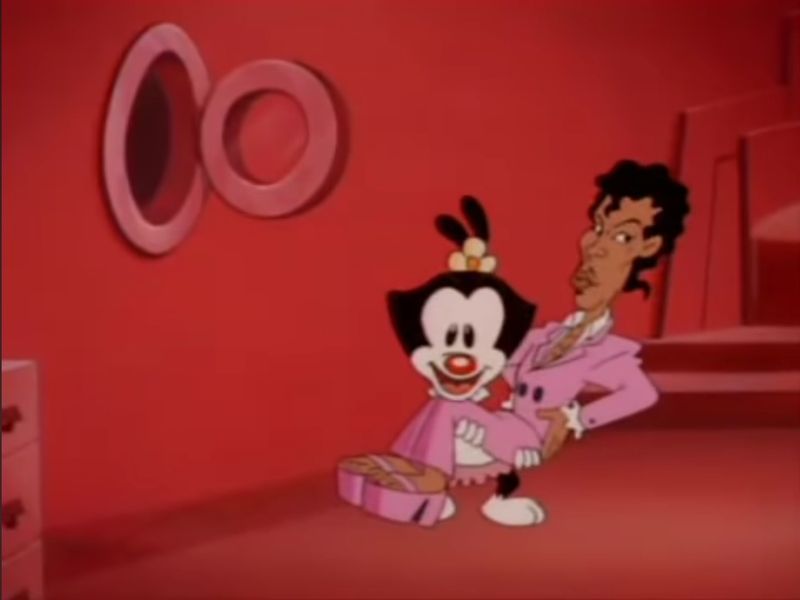
Animaniacs Had a Ban-Worthy Episode. One skit, titled “Finger Prince,” featured Yakko and Dot misunderstanding a royal investigation in very suggestive ways. The joke was pulled from rotation for years after parents complained.
10. Sesame Street Ban
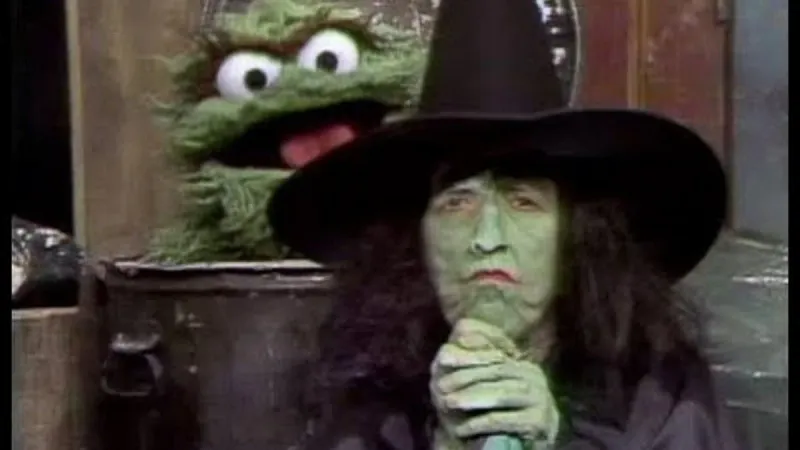
Sesame Street Once Banned an Episode for Being Too Scary. An early episode guest-starring Margaret Hamilton (as the Wicked Witch) frightened so many children that it was pulled from reruns and locked away—until it finally resurfaced in 2022.
11. Blue’s Clues Mystery
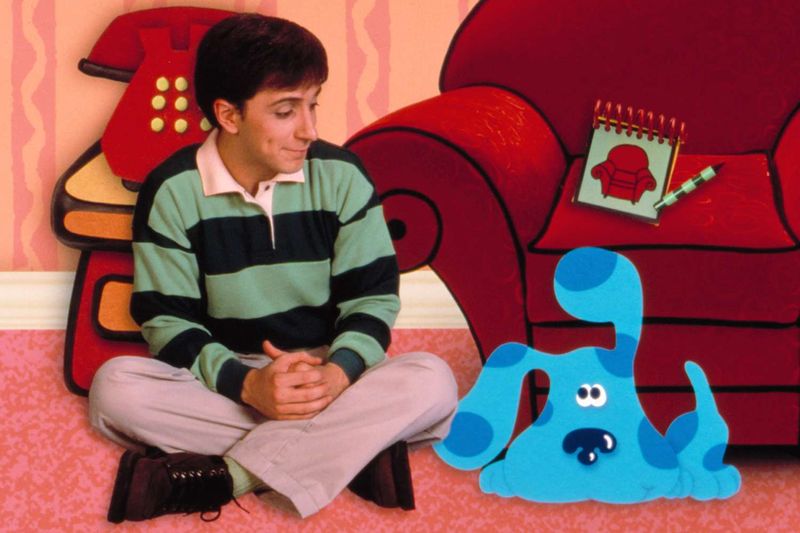
Blue’s Clues Host Steve Didn’t Quit—He Vanished. Fans were devastated when Steve left the show in 2002. But what they didn’t know was that rumors swirled about drug use and even death. (In reality, he just went to college—but the legend persists.)
12. Looney Tunes Racism
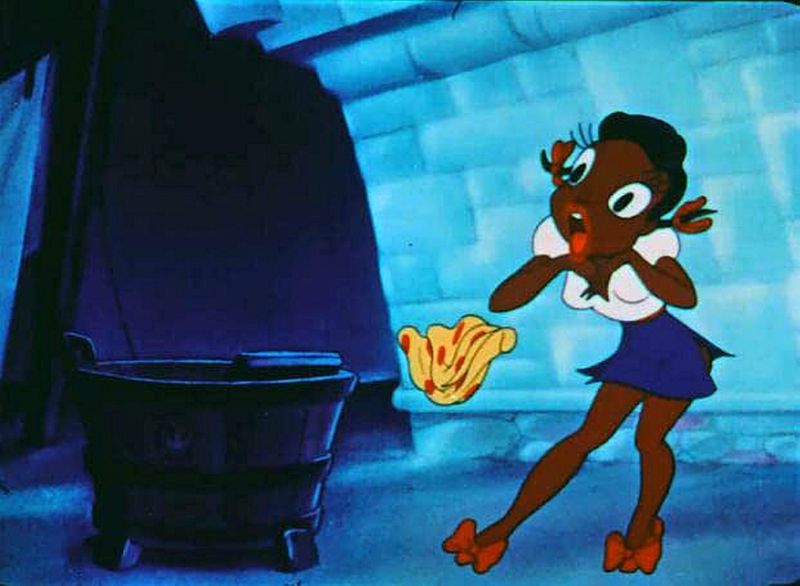
Looney Tunes Had Racist Cartoons That Were Erased. Warner Bros. created a batch of cartoons in the early 20th century filled with racist caricatures. These “Censored Eleven” were pulled from syndication and have been buried ever since.
13. Arthur’s Wedding
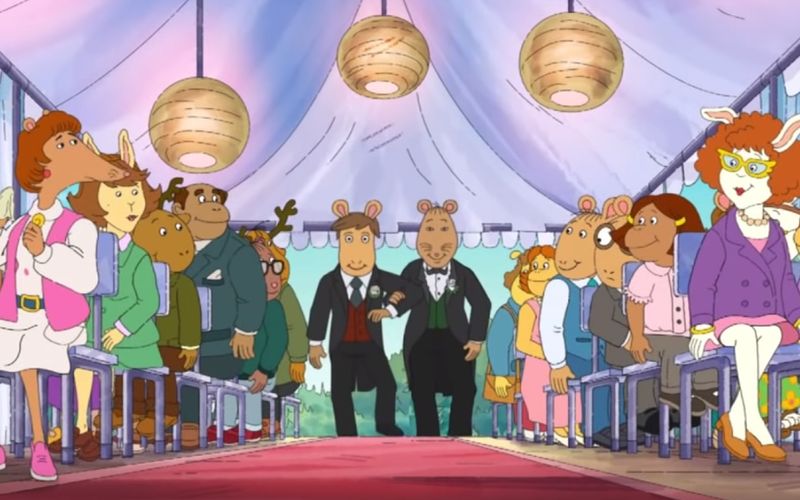
Arthur Featured a Controversial Gay Wedding. In 2019, PBS aired an episode where Mr. Ratburn married another man—and several stations in conservative states refused to broadcast it. The move sparked national debate.
14. Sailor Moon Censorship
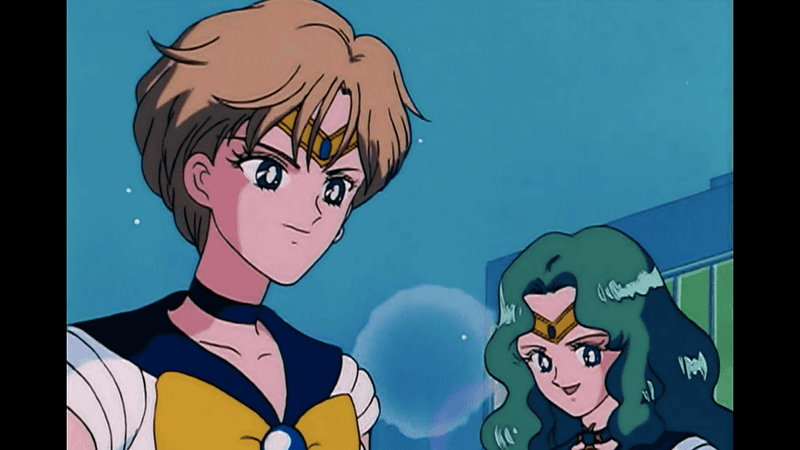
Sailor Moon Censored a Lesbian Relationship in the U.S. When the show was dubbed for American audiences, Sailor Uranus and Sailor Neptune’s romance was rewritten—they were suddenly “cousins.” Even as a kid, it felt weird. Now we know why.
15. Tom and Jerry Substance
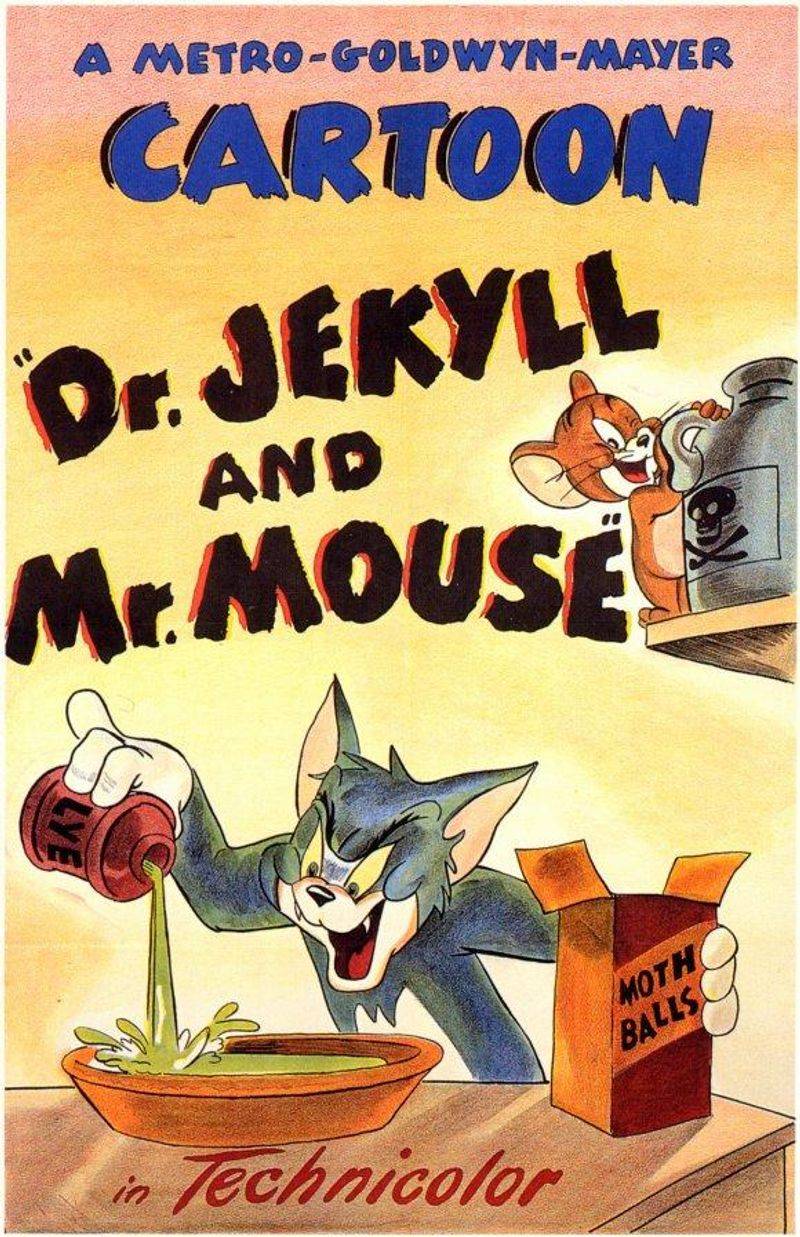
Tom and Jerry Was Littered with Substance Abuse References. From characters getting drunk to cigarette-smoking animals, Tom and Jerry featured plenty of behavior that definitely wouldn’t fly in a modern kids’ cartoon.
16. Winnie the Pooh Theory
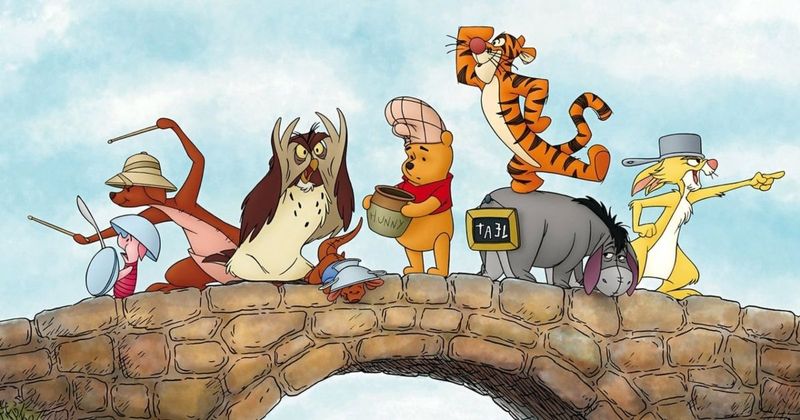
Winnie the Pooh Characters May Represent Mental Illness. A popular theory suggests each of the Hundred Acre Wood residents symbolizes a different disorder—Eeyore has depression, Piglet has anxiety, and Tigger may have ADHD. Once you see it, you can’t unsee it.
17. Pokemon Seizures
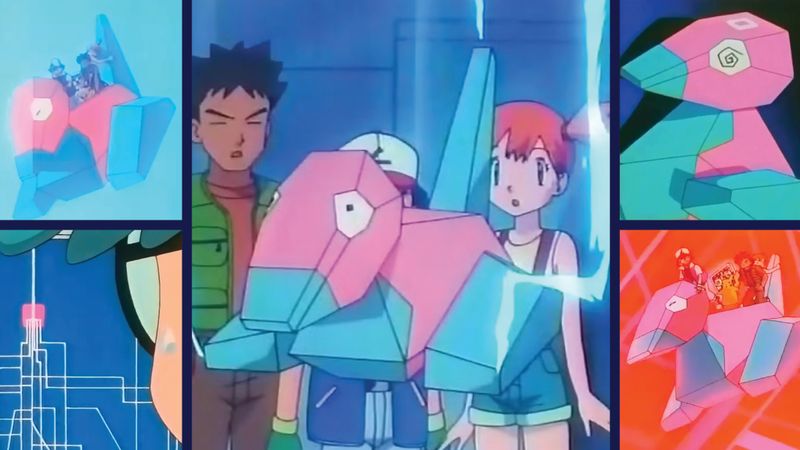
Pokemon Sent Hundreds of Kids to the Hospital. In 1997, a Pokemon episode featuring flashing lights triggered seizures in over 600 children across Japan. The incident made international headlines and forced major animation changes.