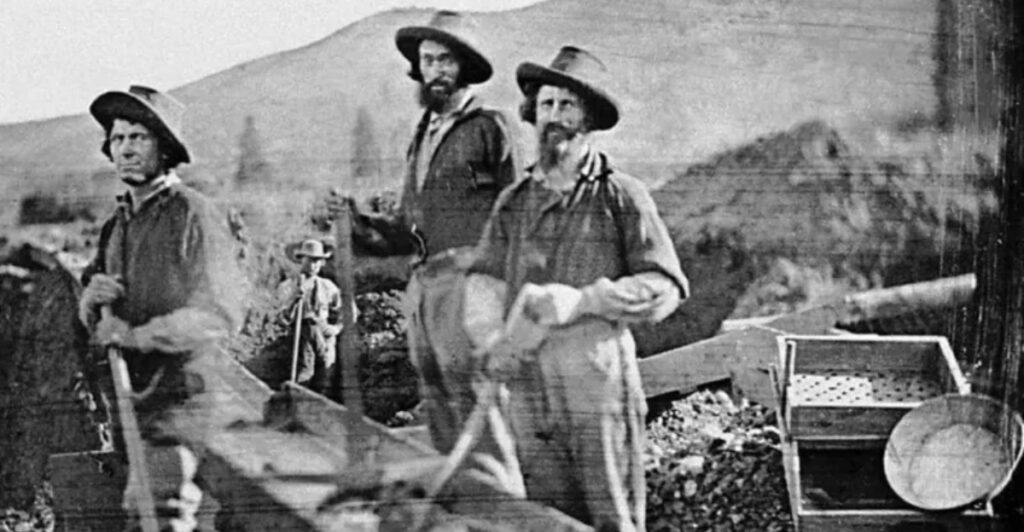
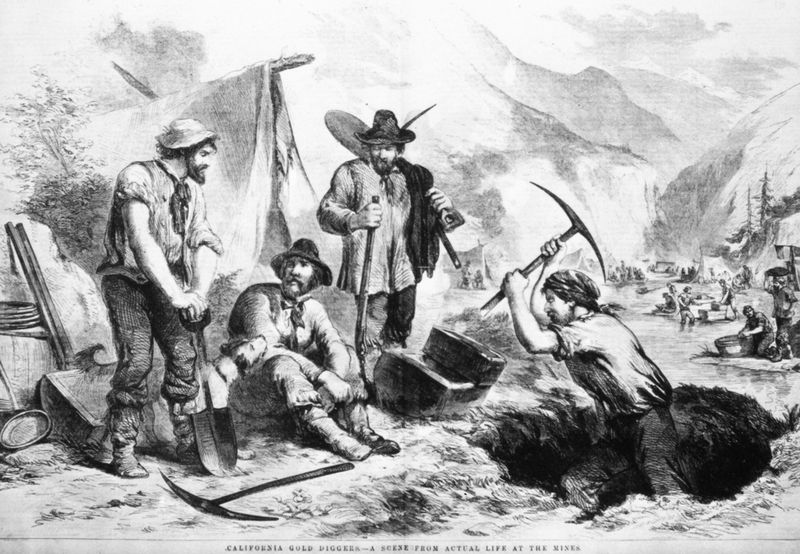
When we think of the California Gold Rush, images of fortune seekers striking it rich dominate our imagination. But behind the glint of gold lies a trove of untold stories—especially about the individual miners who shaped, and were shaped by, this dramatic chapter in American history. Here’s the hidden truth about 23 lesser-known but fascinating figures from the Gold Rush era.
1. James Marshall Regretted Finding Gold
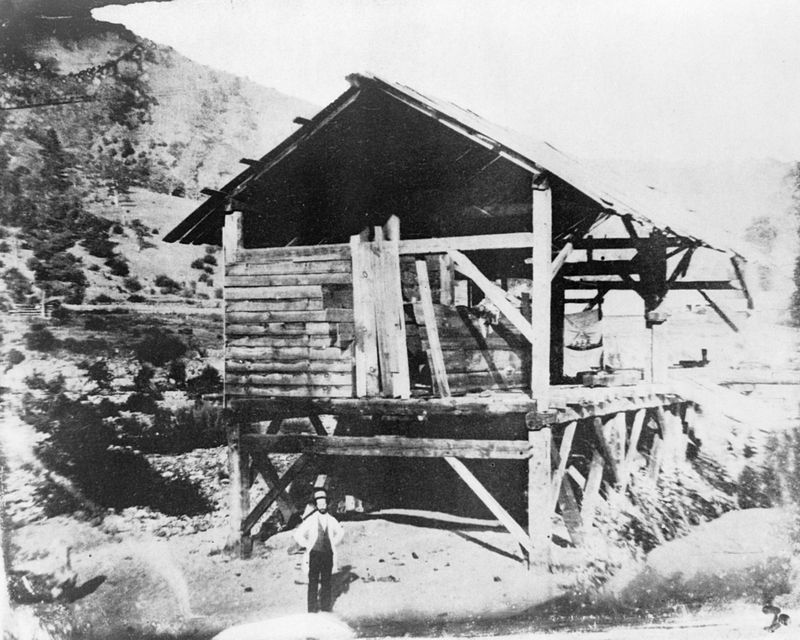
Despite discovering gold at Sutter’s Mill in 1848, James Marshall never profited and died penniless.
2. Samuel Brannan Was the First Millionaire
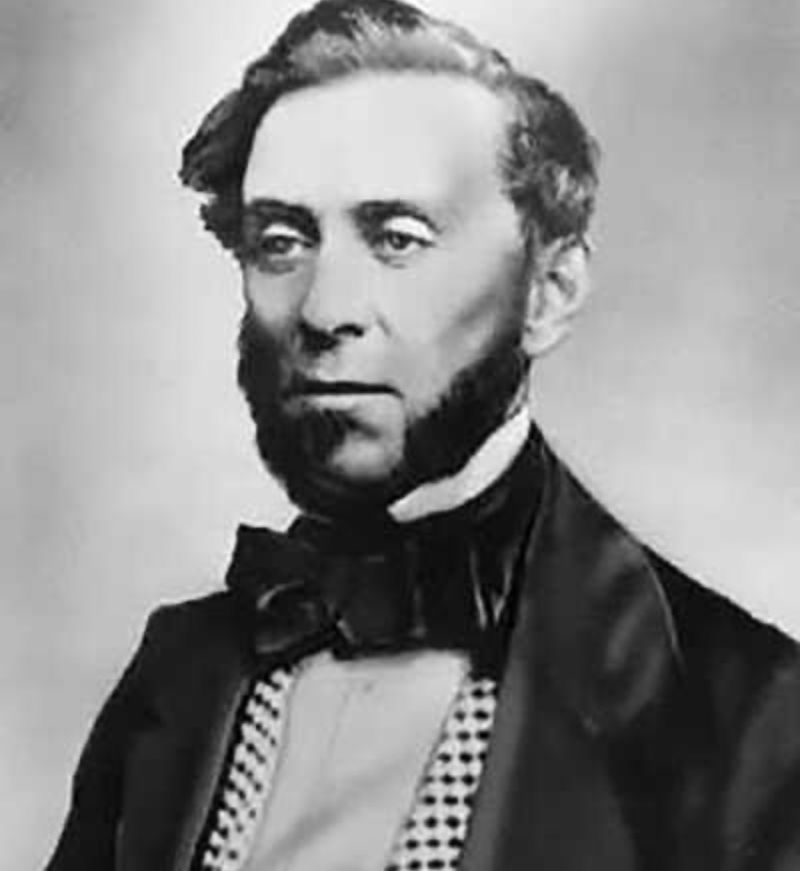
A shrewd entrepreneur, Brannan made his fortune selling picks and pans—not mining.
3. Mary Ellen Pleasant Funded the Underground Railroad
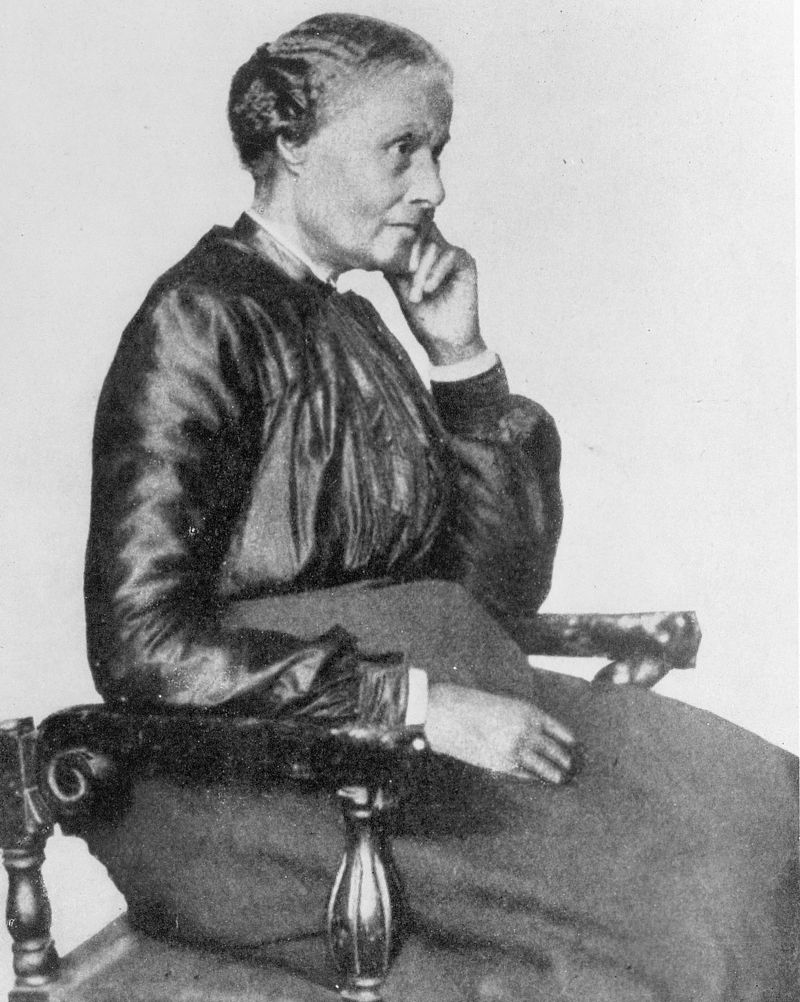
This savvy African-American businesswoman used her Gold Rush earnings to support abolitionist causes.
4. Chinese Miners Were Taxed and Terrorized
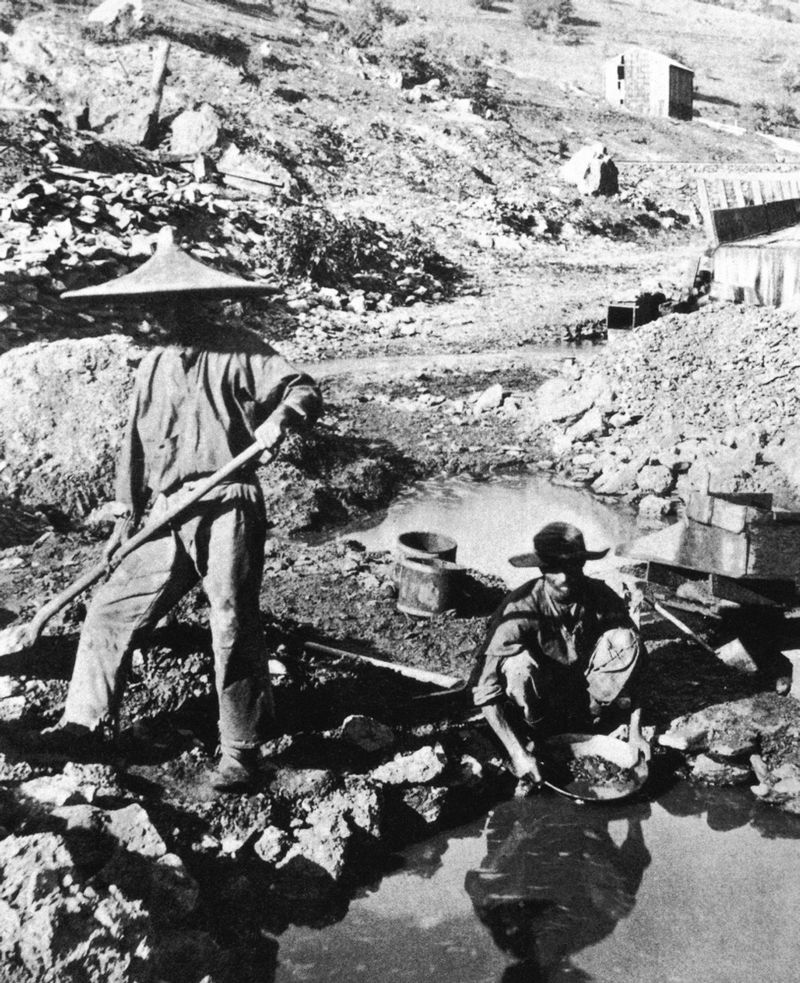
Thousands came with dreams but faced brutal discrimination and a Foreign Miners Tax.
5. John Sutter Lost Everything
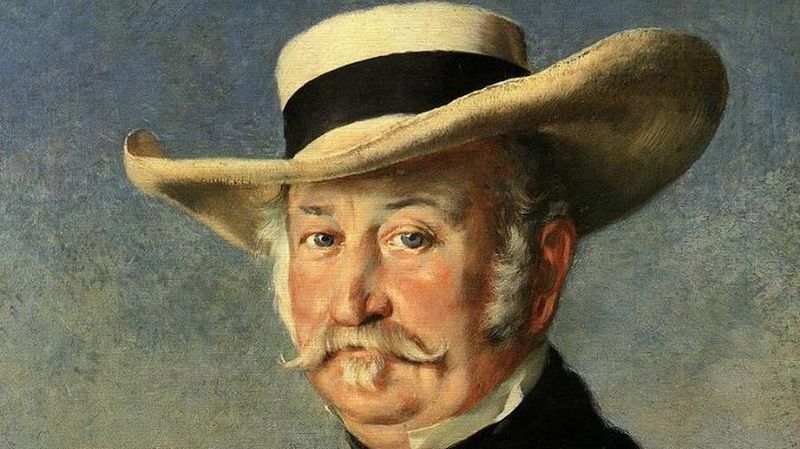
The man who owned the land where gold was discovered saw his property overrun and his dreams destroyed.
6. Narciso Bojorques Was One of the First Californios to Strike Gold
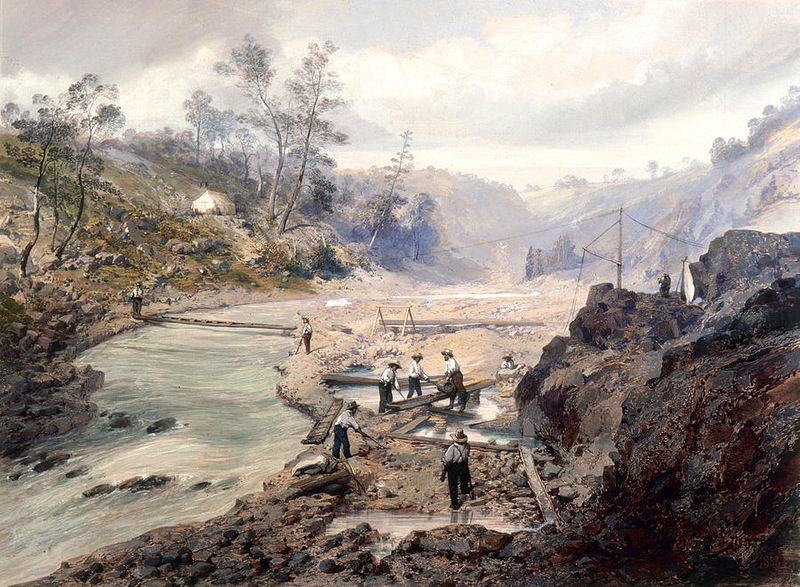
Often overlooked, Bojorques was among the earliest non-Anglo miners to succeed.
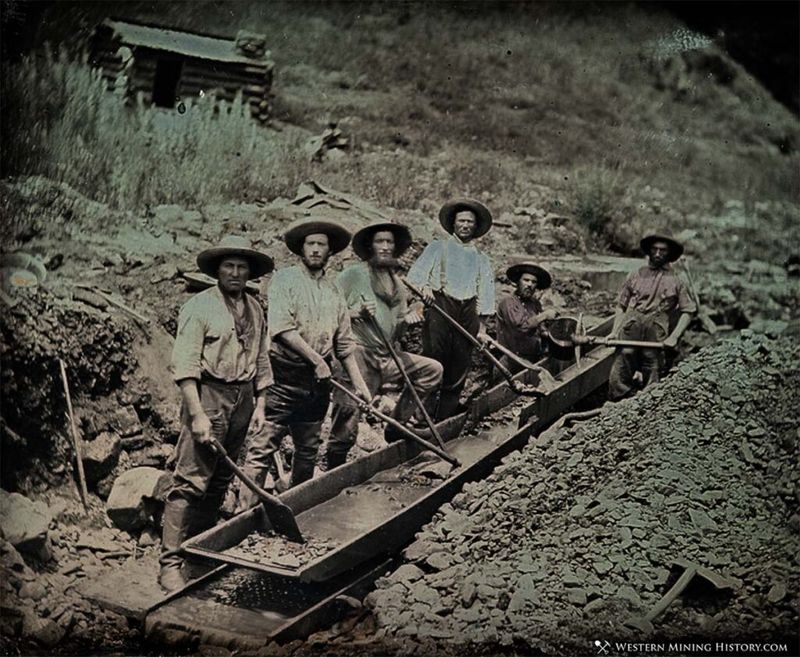
7. The Richest Miners Rarely Dug Themselves
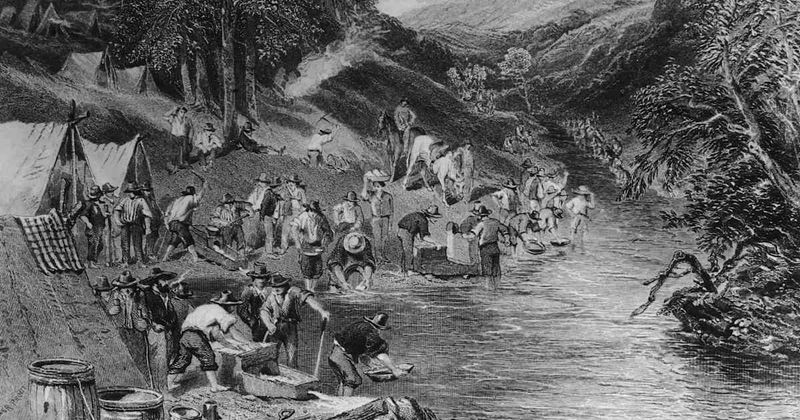
It was store owners, bankers, and transport moguls—not pickaxe-wielding miners—who made bank.
8. Black Miners Formed Their Own Communities
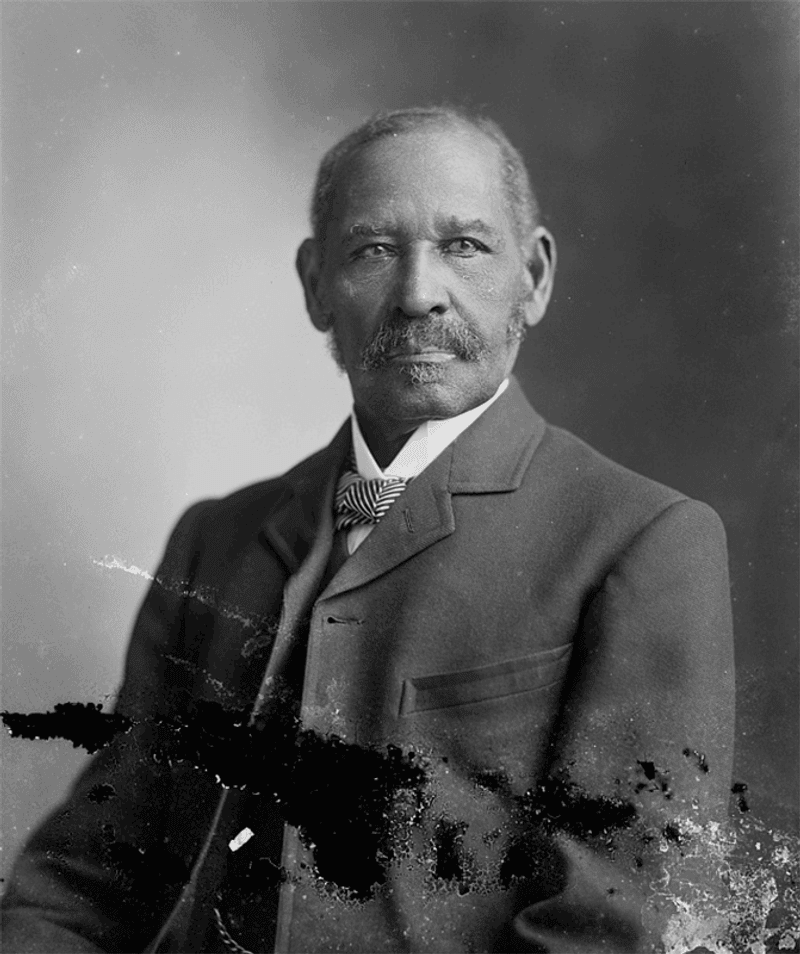
Men like Alvin Coffey thrived despite racism, buying freedom for loved ones with mining profits.
9. Women Miners Were Rare but Fierce
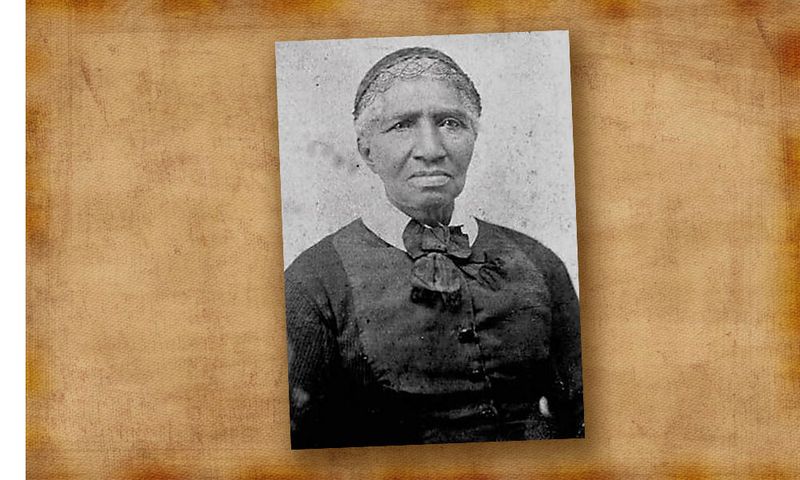
Clara Brown and others bucked gender norms, proving their mettle in the diggings.
10. The “Forty-Niners” Missed the Real Boom
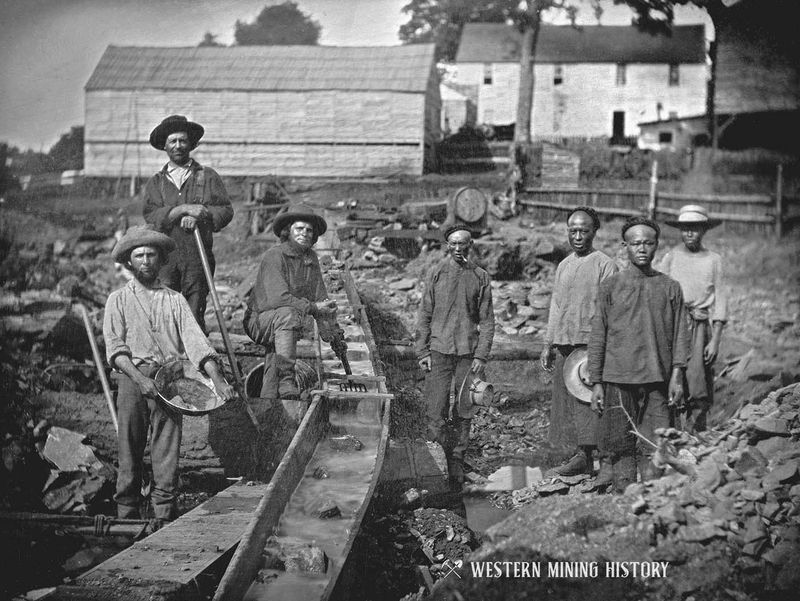
Most wealth was scooped up in 1848, a year before the big migration.
11. Many Indigenous Miners Were Forced into Labor
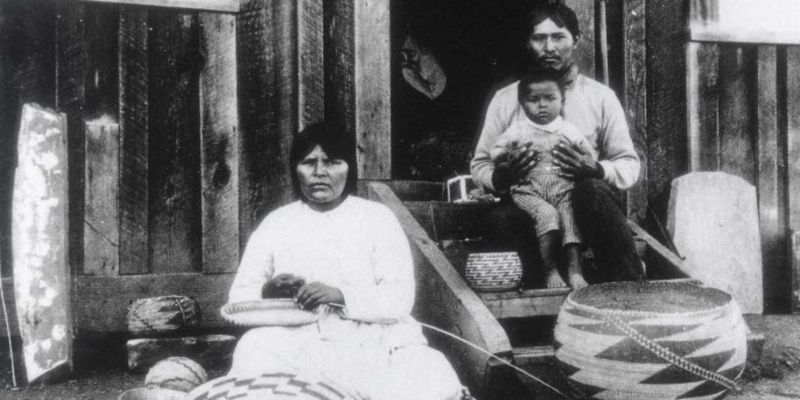
Native Americans were often coerced or enslaved by white prospectors.
12. Elias Jackson “Lucky” Baldwin Wasn’t Lucky—He Was Cunning
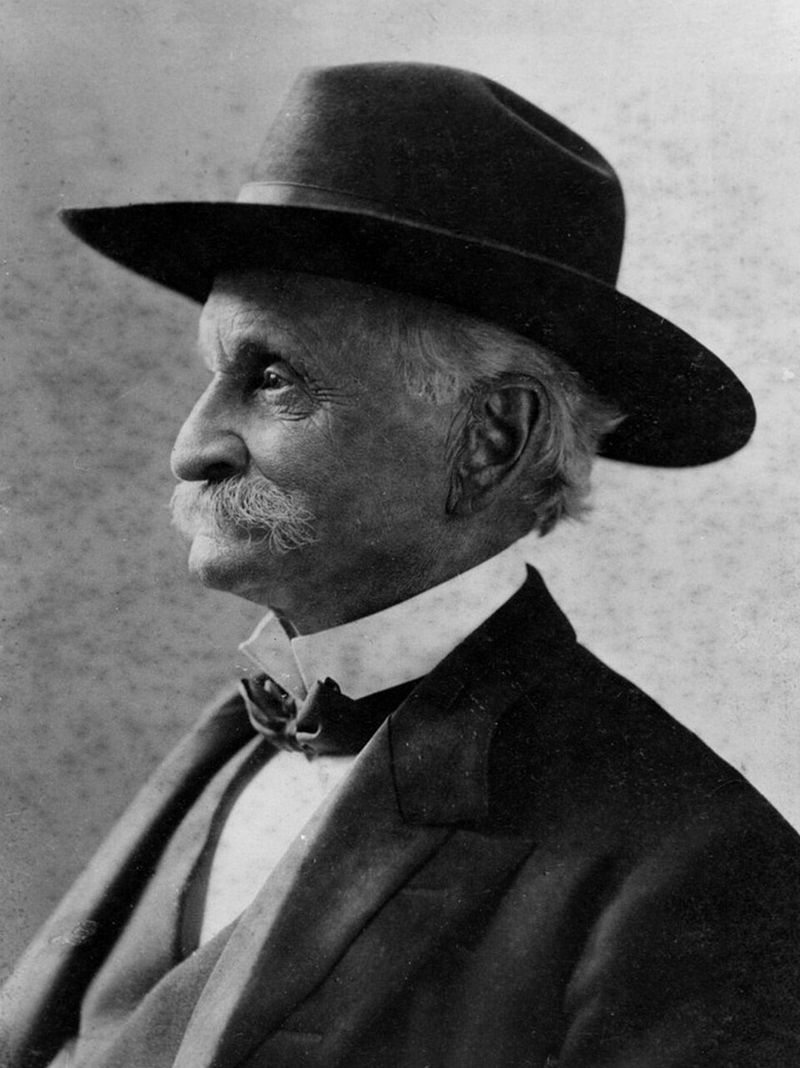
He used shady tactics to amass land and power under the guise of mining.
13. Mormon Miners Helped Build San Francisco
Driven west by persecution, they played key roles in early urban development.
14. Many Miners Were South American
Chilean and Peruvian miners came in large numbers—and were also targets of xenophobia.
15. Some Miners Were Just Teenagers
Young boys like William Swain joined the trek, often facing deadly consequences.
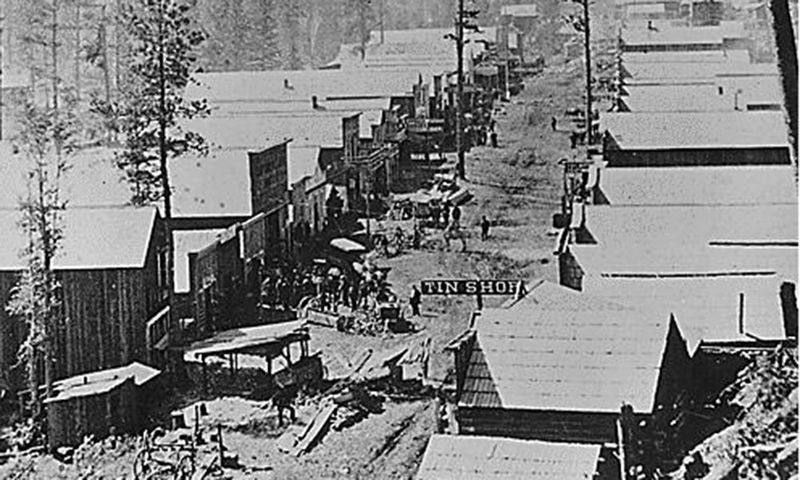
16. “Mining Camps” Were Often Lawless Hellholes
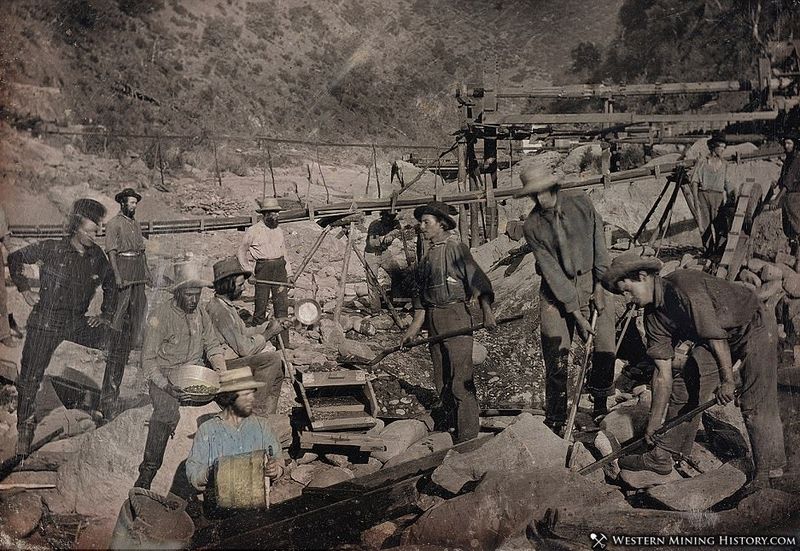
Gambling, violence, and disease claimed countless lives in these makeshift towns.
17. Most Miners Never Struck Gold
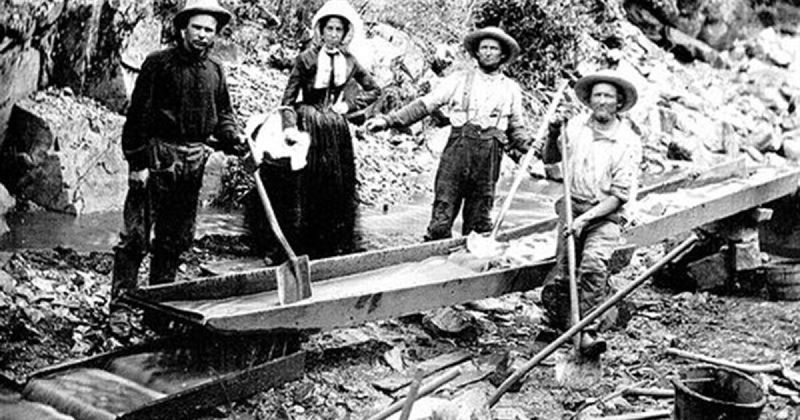
Less than one in ten made substantial finds; most returned home broke and broken.
18. African-American Miners Fought For Legal Rights
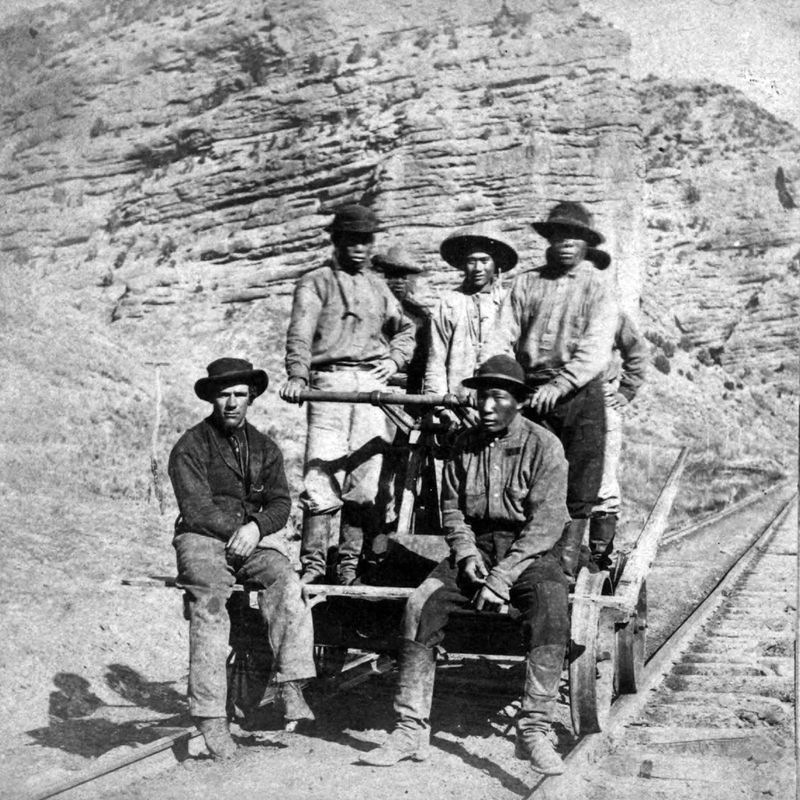
Miners like Edward Duplex not only dug for gold—they paved the way for civil rights.
19. The First Environmental Protest Came From Miners
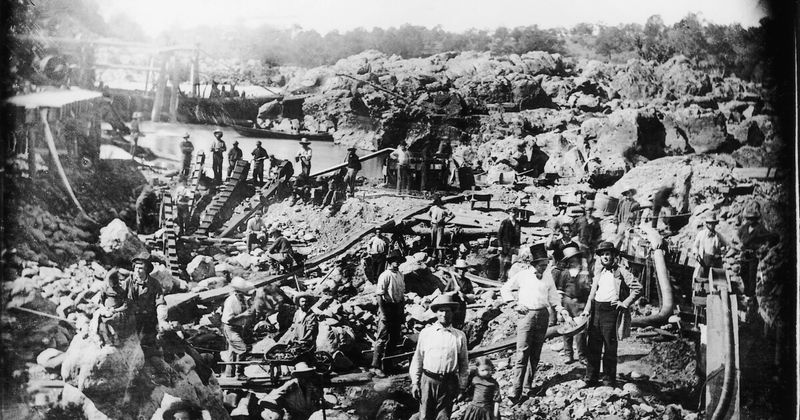
Some opposed hydraulic mining for its destructive impact on rivers and communities.
20. Miners Spread Cholera and Other Diseases
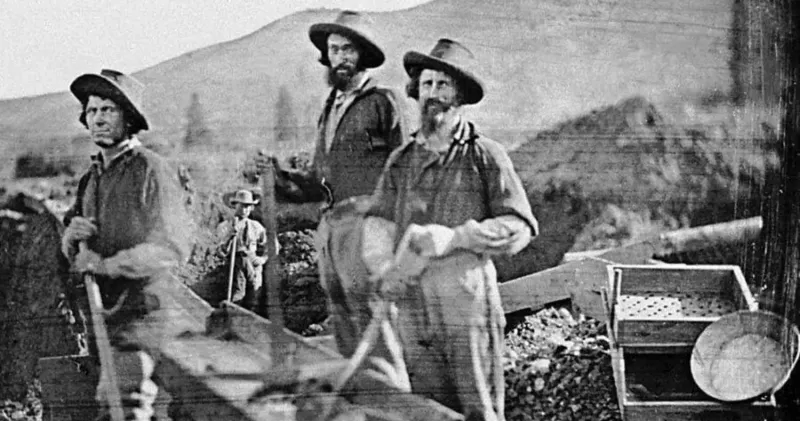
Overcrowded, unsanitary camps were hotbeds of illness.
21. Prospecting Was a Global Magnet
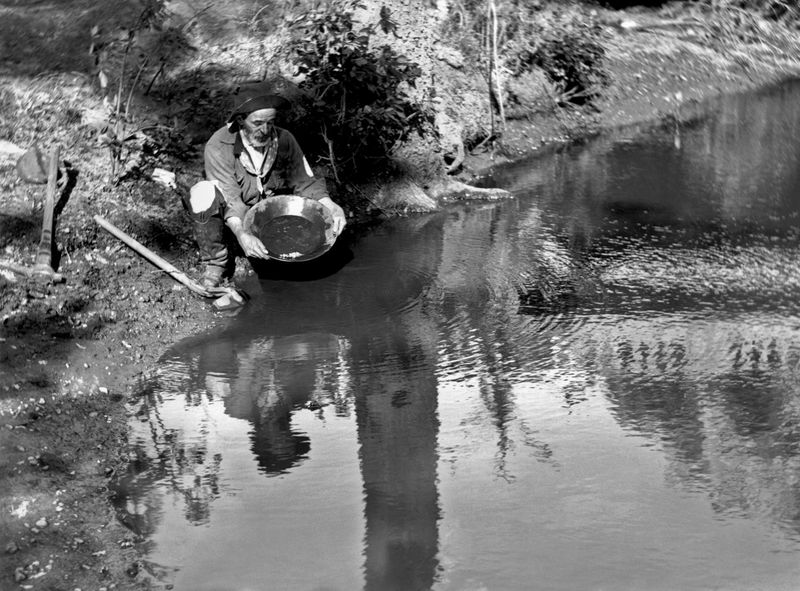
Miners from Europe, Australia, and China transformed California into a global melting pot.
22. Ex-Slaves Became Landowners Through Mining
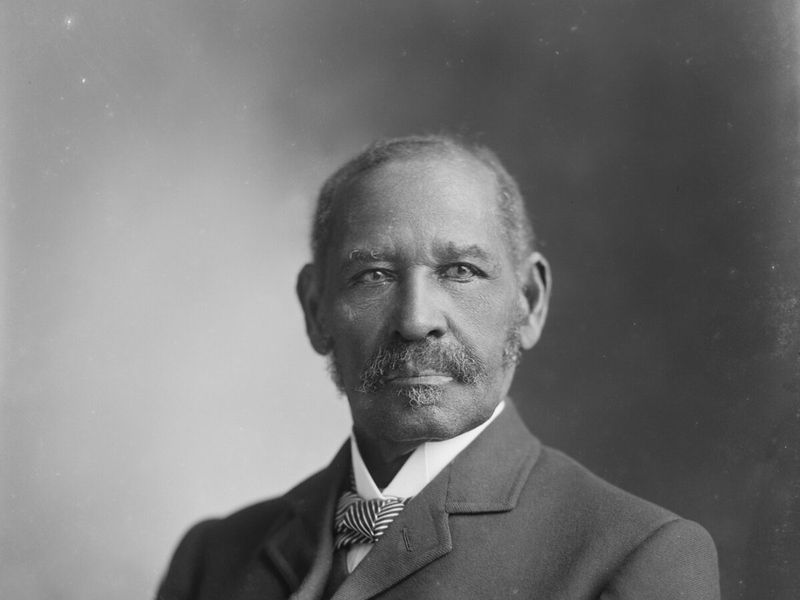
Freed Black men like Mifflin Gibbs used their earnings to build wealth and dignity.
23. Some Gold Rush Miners Became Anti-Slavery Politicians
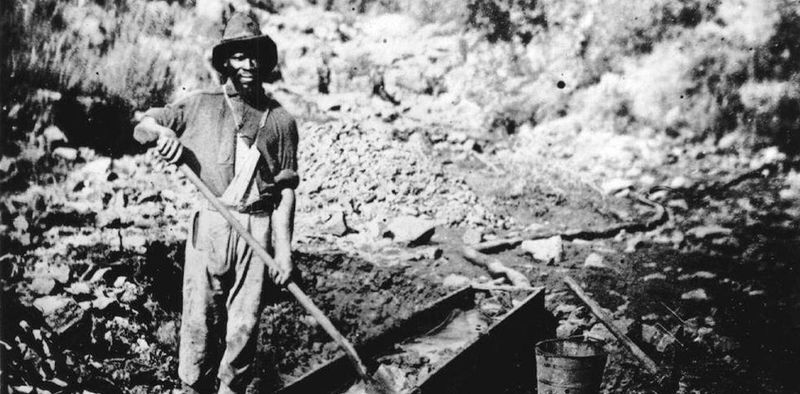
They returned home with new ideals, helping to shift national politics before the Civil War.